
China Travel Guide: 16 Best Places to Visit and Essential Travel Tips

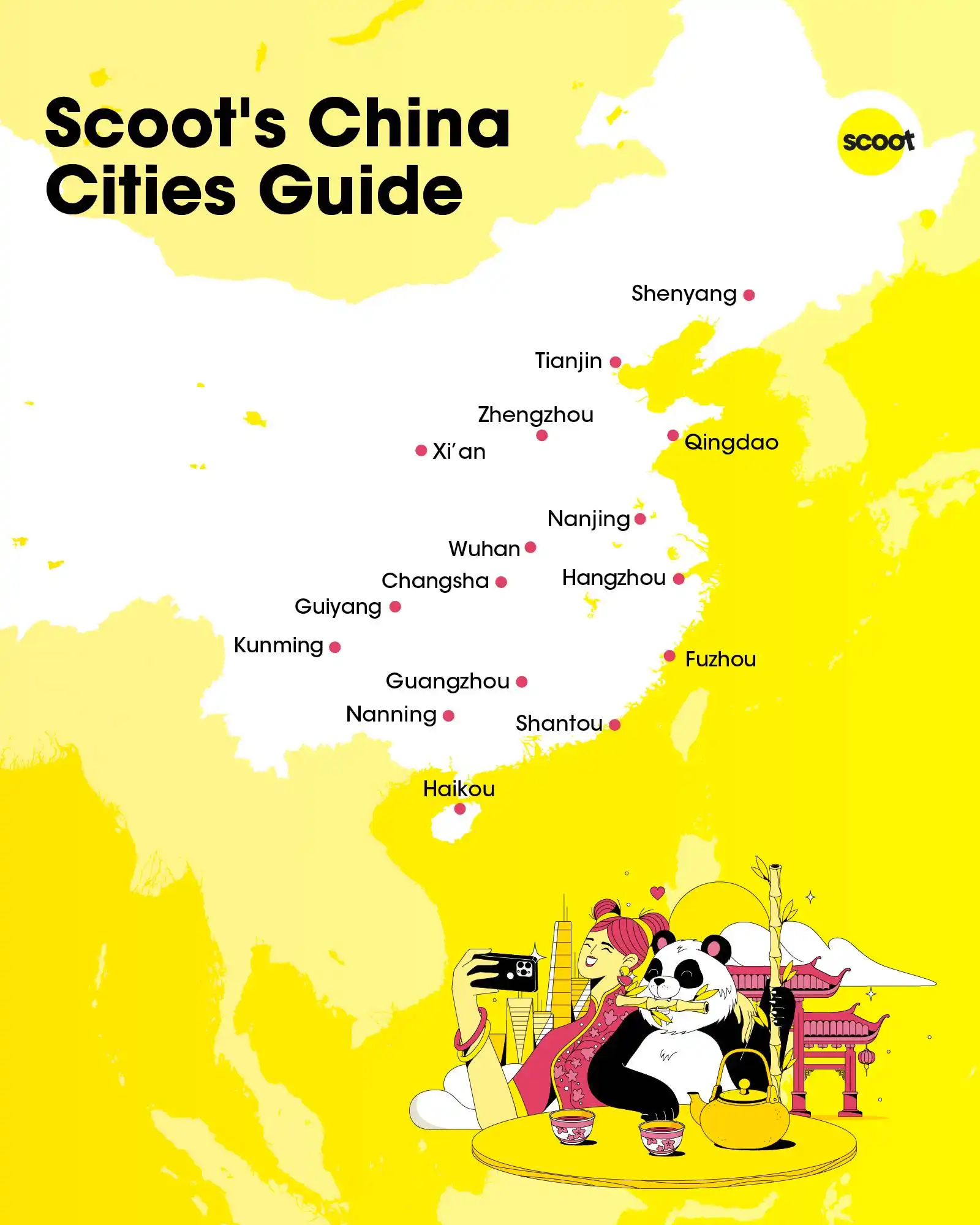
Is China worth visiting?
China is worth visiting for its extraordinary variety, with ancient cities, modern skylines, mountain landscapes, coastal destinations and some of Asia's most distinctive regional food cultures all within one country.
The hardest part of planning a trip is deciding what to leave out. China is large enough that a trip focused on Guangzhou and Shantou can feel completely different from one through Xian and Zhengzhou, while Hangzhou, Kunming and Qingdao offer yet another experience centred more heavily on scenery.
This China travel guide covers 16 destinations, including what makes each city worthwhile, the attractions to prioritise, what to eat, when to visit and where to stay.
Why is planning a trip to China easier than you might think?
Planning a trip to China is much easier when you know what to prepare in advance. While the country is vast and some everyday systems may work differently from what international travellers are used to, China’s excellent transport links and highly digital infrastructure can make getting around remarkably convenient.
China’s high-speed rail network connects many major cities quickly and efficiently, making multi-city trips easy to plan. Choose a few nearby destinations that complement one another so you can spend more time exploring and less time constantly changing hotels.
It also helps to set up a few travel essentials before you arrive. Mobile QR payments are widely used, train tickets are linked to identification documents, and some familiar international websites may not be accessible on standard mainland Chinese internet connections.
Fortunately, you can arrange most of this in advance. International travellers can use passport-based services, and overseas bank cards can link to major mobile payment platforms, which is covered in more detail later.
When is the best time to visit China?
Spring from March to May and autumn from September to November are generally the easiest seasons for a multi-city China trip, although the best month depends heavily on the region. This will be expanded on in each city walkthrough below.
When should travellers avoid visiting China to escape the crowds?
Travellers who dislike crowds should avoid China's longest public holiday periods where possible. These periods generate huge volumes of domestic travel, affecting railway availability, accommodation, and popular tourist attractions throughout the country.
|
July and August are also busy periods because of domestic school holidays. Travelling during these months is still possible, but popular trains, hotels and attractions should be booked way in advance.
How should tourists pay for things in China?
Setting up Alipay and WeChat Pay is one of the most useful things an international visitor can do before travelling to China. Mobile QR payment is deeply integrated into everyday transactions. It is used in restaurants, shopping centres, convenience stores, taxis, and many smaller businesses, making it far more reliable than international physical credit cards.
Foreign users can register with international phone numbers and link eligible overseas bank cards to Alipay and WeChat Pay. Chinese government guidance confirms that international cards, including Visa and Mastercard, can be linked to the platforms, while mobile payment services have also expanded their foreign-language functions.
Payment usually happens in one of two ways. Either the customer scans a merchant's QR code and enters the amount, or the merchant scans the customer's payment code.

Can tourists still use cash or foreign credit cards in China?
Yes. Cash and bank cards remain valid payment options, although neither is as consistently convenient as mobile payment for everyday spending. A large hotel or shopping centre may readily accept an international card, while a small restaurant might be far more accustomed to QR payments.
Keeping some cash as an emergency backup is sensible, but mobile payment should be the default plan rather than relying on cash for every transaction.
What are the best places to visit in China?
The best places to visit in China depend on whether the trip centres on food, history, nature, coastal scenery, or contemporary city life. These 16 cities offer very different experiences, making them useful starting points for building an itinerary rather than treating China as a single type of destination.
1. Changsha (长沙)

What to see: Yuelu Mountain is one of the best places to begin. The area combines wooded walking routes with cultural sights, while Orange Isle provides another classic view of the city along the Xiangjiang River. Changsha's long history is also visible around its older streets and cultural attractions, and the Hunan Provincial Department of Culture and Tourism highlights Yuelu Mountain as one of the city's defining sights.
What to eat: Food, however, is where Changsha becomes particularly memorable. Stinky tofu is the obvious snack to try, followed by chilli-fried pork, spicy crayfish and tangyou baba, a sweet glutinous-rice snack.
When to visit: October and November are particularly comfortable for walking, with autumn also adding colour to Yuelu Mountain. Spring is another good alternative.
Where to stay: For accommodation, Wuyi Square is the easiest base for a first visit because restaurants, shopping, and late-night activities are all close by. Changsha is a city that rewards staying out after dinner rather than returning to the hotel early.
2. Fuzhou (福州)
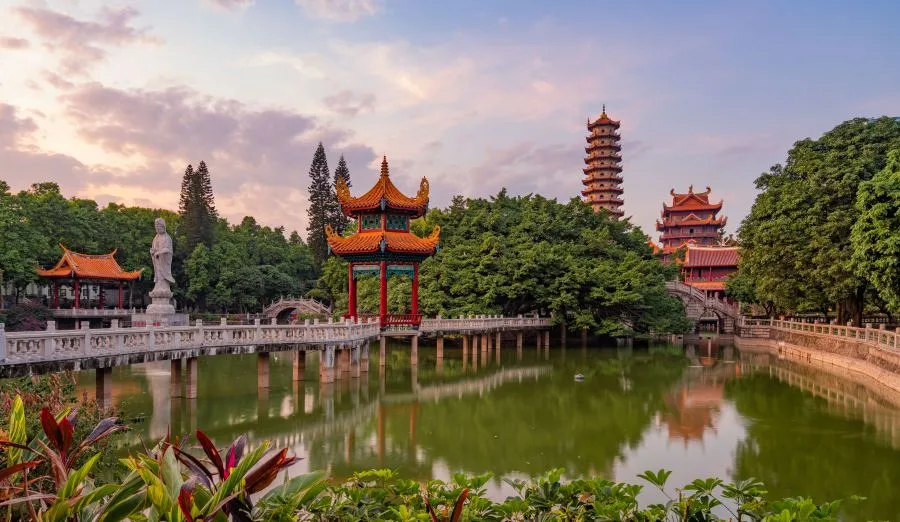
What to see: Fuzhou is best known for its historic neighbourhoods, traditional Fujian architecture, waterways, and a food culture gentler than the chilli-heavy cooking found farther inland. The first place worth exploring is Three Lanes and Seven Alleys, where white-walled historic residences, narrow lanes, shops and old-established food businesses create one of the city's most atmospheric districts. Nearby West Lake Park adds a quieter side to the itinerary and has a history extending for more than 1,700 years.
What to eat: Fish balls, rouyan meat dumplings, and dingbianhu are easy local dishes to try, while Buddha Jumps Over the Wall is one of Fujian's most famous dishes. Official Fuzhou food routes deliberately combine Three Lanes and Seven Alleys with traditional restaurants and food streets.
When to visit: March and April are good months for walking and spring scenery.
Where to stay: Staying in Gulou District, especially around Three Lanes and Seven Alleys, gives first-time visitors the most convenient base.
3. Guangzhou (广州)
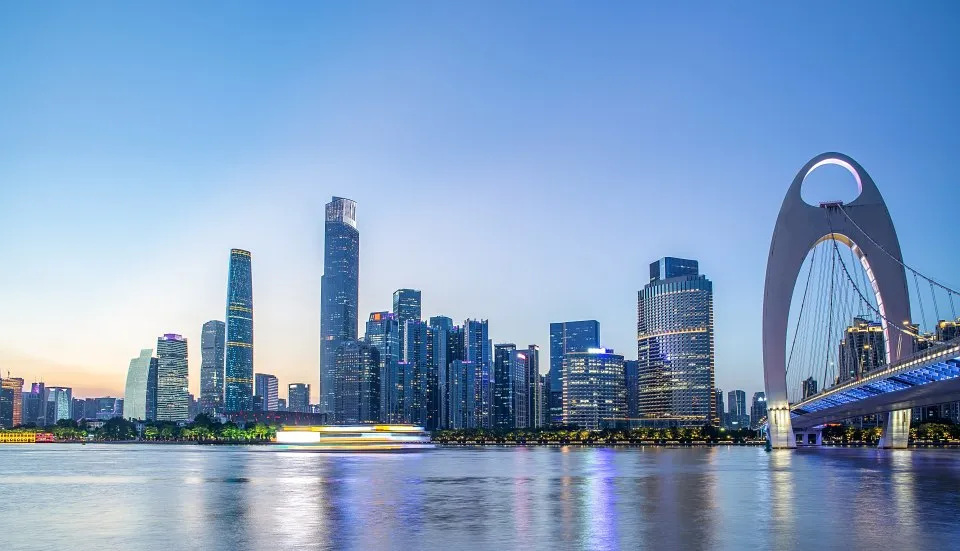
What to see: Canton Tower is the obvious modern landmark, and the Pearl River waterfront becomes particularly attractive once the skyline lights up. The more characterful side of Guangzhou, however, is found around Yongqing Fang, the Xiguan neighbourhood and the older parts of Liwan. Guangzhou's official visitor recommendations connect these areas with Canton Tower, Guangdong Museum and the Pearl River, making them easy to divide between daytime heritage sightseeing and an evening by the water.
What to eat: Eating should be given as much time as sightseeing. Dim sum is essential, but roast meats, wonton noodles, double-boiled soup, claypot rice and Cantonese desserts deserve equal attention.
When to visit: Late October through December is usually the most comfortable period for extensive walking, while spring is greener but may experience more showers.
Where to stay: For accommodation, Yuexiu suits travellers interested in heritage and central sightseeing, whereas Tianhe is better for modern malls, restaurants and newer hotels. For food-focused travellers deciding where to go in China, Guangzhou is one of the easiest recommendations.
4. Guiyang (贵阳)
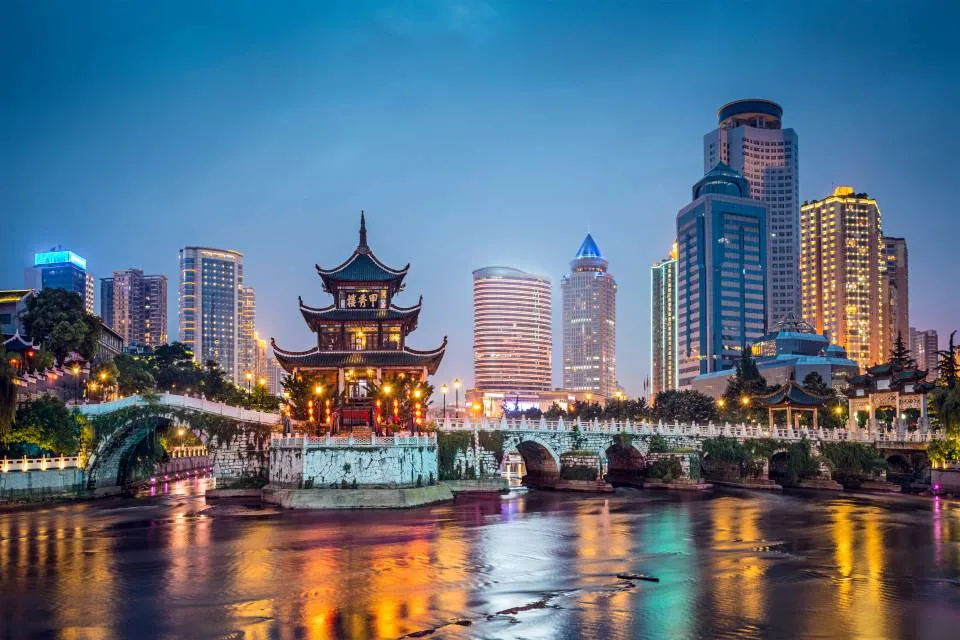
What to see: There are many tourist attractions worth visiting in Guiyang. Start with Qianlingshan Park, where forested paths and resident macaques make it feel surprisingly removed from the city centre. Jiaxiu Pavilion is the classic historical landmark, especially attractive after dark, while Qingyan Ancient Town is worth setting aside several hours for its preserved streets, traditional architecture and local snacks. In the evening, Qingyun Market is one of the best places to experience Guiyang’s food and nightlife.
What to eat: Sour soup fish is one of the essential dishes to try, along with siwawa and Qingyan specialities such as braised pig trotters and rose ice jelly.
When to visit: Summer from June to August is particularly appealing because Guiyang stays considerably cooler than many other Chinese cities, although late spring and early autumn are also comfortable for outdoor sightseeing.
Where to stay: Nanming District is the most convenient choice for a first visit, particularly for easy access to Jiaxiu Pavilion, Qingyun Market, restaurants and evening sightseeing. Travellers who want to be closer to Qianlingshan Park can also consider Yunyan District.
5. Haikou (海口)
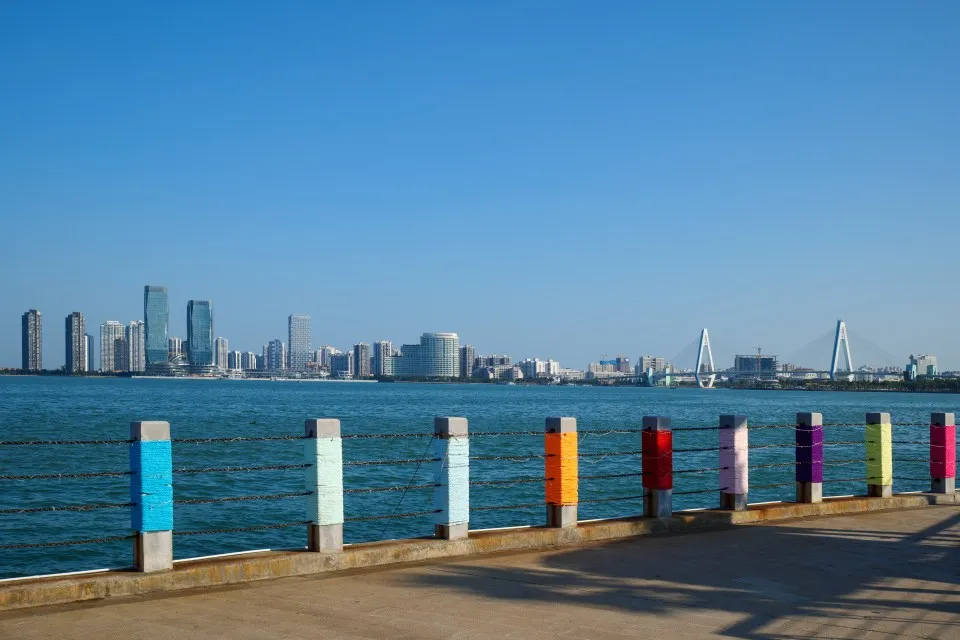
What to see: Haikou is worth visiting for tropical city life, Hainanese food, heritage architecture and a slower atmosphere than China's sightseeing-heavy megacities. The standout area is Qilou Old Street, where covered arcade buildings reflect Haikou's historical connections with Southeast Asia. The mix of Chinese, Western and Nanyang architectural influences gives the neighbourhood a distinctive character, especially when explored slowly through its narrow streets rather than treated as a single photo stop. Haikou also has the Hainan Museum, coastal areas and a growing collection of modern leisure spaces.
What to eat: Food is part of that slower rhythm too. Wenchang chicken, qingbuliang, seafood and laobacha, Hainan's old-style tea culture, are all worth seeking out.
When to visit: November through March is the most comfortable period for travellers who want warmth without peak summer humidity.
Where to stay: Longhua and Meilan are practical areas to stay, while accommodation near Qilou Old Street is especially appealing for travellers who prefer food and atmosphere to resort-style surroundings.
6. Hangzhou (杭州)
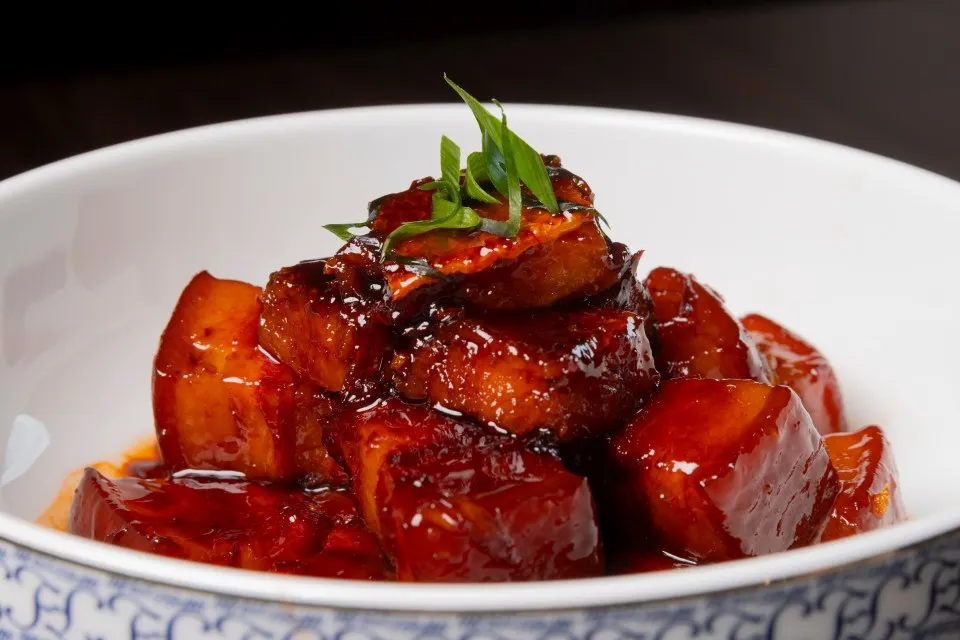
What to see: Hangzhou is one of China's best places to visit for classical scenery, tea culture and an itinerary that feels relaxing without ever becoming short of things to do. West Lake is the centrepiece, but walking or cycling along the lakeside and stopping whenever the scenery changes can be more enjoyable than rushing around the entire lake. Lingyin Temple and the surrounding hills deserve another part of the itinerary, while Longjing Village offers a completely different experience centred on tea. Hangzhou continues to promote West Lake tea spaces and Longjing-related cultural experiences, making tea an integral part of a visit rather than simply a souvenir.
What to eat: Dongpo pork and Longjing shrimp are two of the city's classic dishes.
When to visit: March to May works particularly well for greenery and tea season, while October and November bring pleasant walking weather and autumn scenery.
Where to stay: Staying around the eastern side of West Lake keeps the lake, shopping districts and restaurants within easy reach. Hangzhou is particularly good for travellers who prefer unhurried sightseeing.
7. Kunming (昆明)

What to see: Known as China's Spring City, Kunming sits at an elevation of around 1,891 metres and has a comparatively moderate climate. Green Lake, Kunming Old Street and the Dianchi Lake area provide easy city sightseeing, while the Stone Forest is the obvious excursion for travellers wanting to see Yunnan's dramatic karst formations. Dongchuan Red Land is also worth visiting for its striking red earth, colourful patchwork farmland and dramatic mountain scenery, creating one of Kunming's most unique and photogenic landscapes.
What to eat: Crossing-the-bridge rice noodles are the best-known local dish, while Yunnan cooking makes extensive use of herbs, mushrooms and ingredients that are less common in many other parts of China. Mushroom dishes are particularly worth trying in season, but should always be eaten at established restaurants where unfamiliar varieties are prepared properly.
When to visit: March through May is an especially attractive period for flowers and outdoor sightseeing, although Kunming is enjoyable year-round.
Where to stay: For accommodation, Cuihu (Green Lake) and the Kunming Old Street area offer the best balance of atmosphere, restaurants, and central sightseeing for a first visit.
8. Nanjing (南京)

What to see: You can easily spend a full sightseeing day around Zhongshan Mountain, which includes Dr Sun Yat-sen's Mausoleum and the Ming Xiaoling Mausoleum. Nanjing's official tourism information identifies Ming Xiaoling as its World Cultural Heritage site and Zhongshan Mountain as one of the city's major scenic areas. Later in the day, move towards Confucius Temple and the Qinhuai River, where traditional-style buildings and illuminated river scenery create a completely different mood after dark. Laomendong is another worthwhile area for old streets, snacks and a slower evening walk. For travellers interested in more Chinese history, you can also visit the Nanjing Memorial Hall to pay your respects.
What to eat: Salted duck and duck-blood vermicelli soup are two signature foods, while Qinhuai has its own long-standing snack culture.
When to visit: Autumn is particularly attractive in Nanjing, and the city's foreign affairs office also recommends March for spring blossoms.
Where to stay: Stay in Xinjiekou for maximum transport convenience or Qinhuai for more atmosphere.
9. Nanning (南宁)
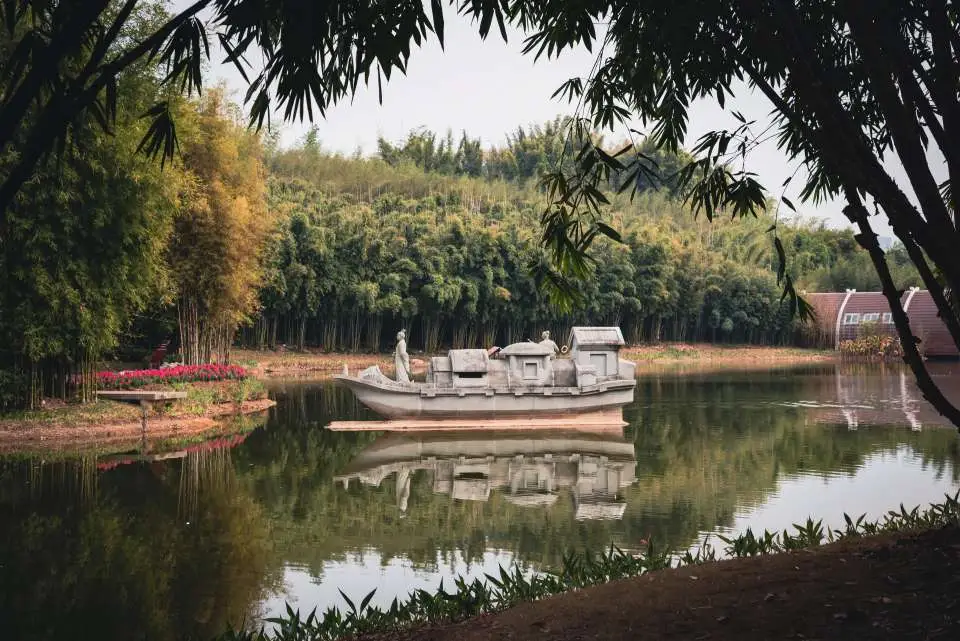
What to see: The standout natural attraction is Qingxiu Mountain, a large scenic area beside the Yong River with tropical and subtropical gardens, orchid displays, ancient cycads, temples and the Dragon-Elephant Pagoda. It is a national 5A attraction and contains more than 50 individual sights. Closer to the city centre, Three Streets and Two Alleys provides an easy place to combine historical architecture with evening food stops.
What to eat: The first dish to try is laoyou rice noodles, known for their sour, spicy and savoury flavour. Nanning's local food repertoire also includes lemon duck, pickled fruit known as suanye, rice dumplings and freshly pressed rice noodles.
When to visit: October through March is the preferred window for travellers who want to avoid the most intense summer heat.
Where to stay: For accommodation, Qingxiu District offers modern hotels and convenient access to Qingxiu Mountain, while the more central Chaoyang area is better for travellers prioritising local streets and food.
10. Qingdao (青岛)

What to see: Qingdao is famous for coastal scenery, seafood, beer and European-influenced architecture, making it one of the most distinctive seaside stops in eastern China. A first visit works well when it begins around Zhanqiao Pier and the old city, followed by the historic streets and villas around Badaguan. Travellers with more time should dedicate a separate day to Laoshan, where mountain scenery runs down towards the coast. Drivers should check current access arrangements, as parts of the scenic area's roads operate with advance vehicle reservations.
What to eat: Seafood should dominate at least one meal. Clams, oysters, prawns and fresh fish are obvious choices, while mackerel dumplings are one of Qingdao's characteristic local foods.
When to visit: May and June are good for coastal walking before the busiest part of summer, while September and October combine comfortable weather with fewer peak-season crowds.
Where to stay: Shinan District is the most convenient place to stay because it gives easy access to the historic centre, waterfront and dining areas.
11. Shantou (汕头)

What to see: Start around Small Park, or Xiao Gong Yuan, and the surrounding old city. Shantou's official tourism information identifies the Small Park historic district alongside coastal and island attractions as one of the city's important visitor areas. Nan'Ao Island is another highlight, which includes Qing’ao Bay, beaches, fishing villages, sea cliffs, lighthouses, island roads, and Huanghuashan National Forest Park.
What to eat: Beef hotpot is essential. Add beef balls, oyster omelette, rice noodle rolls, marinated goose, fish balls and Chaoshan-style snacks before finishing with gongfu tea. Shantou's official food listings include beef balls, fish balls, oyster omelette, rice rolls and a long list of regional dishes.
When to visit: October through March offers more comfortable conditions than the hottest, most humid months.
Where to stay: Stay in Jinping District, especially around Small Park, if food and old-city atmosphere are the priorities. Shantou is one destination where leaving empty space in the itinerary for another meal is genuinely worthwhile.
12. Shenyang (沈阳)

What to see: The priority attraction is Shenyang Imperial Palace, followed by the surrounding historic centre and Zhang Xueliang's Former Residence. Zhongjie Commercial Street sits conveniently within the same broader part of the city, making this an easy area to explore without constantly changing transport. Shenyang's official visitor information also highlights the Imperial Palace, Zhongjie, the Industrial Museum of China and Liaoning Provincial Museum among its key attractions.
What to eat: The food matches the northern setting. Dumplings, large northeastern stir-fries and Shenyang's well-known chicken-rack dishes suit cold-weather appetites, and portions are often generous enough to share.
When to visit: May is pleasant for spring sightseeing, while September and October provide comfortable temperatures and autumn colour. Winter is extremely cold but offers a very different northern China experience for travellers prepared with proper clothing.
Where to stay: For accommodation, Shenhe District near Zhongjie is the easiest choice for a short visit because major historical sights, restaurants and shopping are close together.
13. Tianjin (天津)
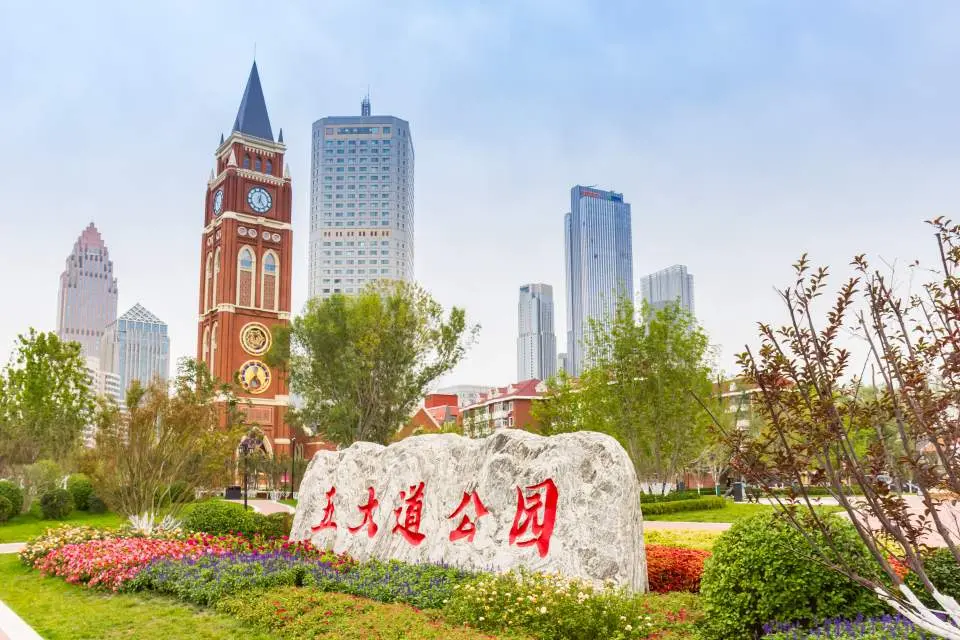
What to see: The Five Great Avenues is where historic villas and former residences create one of the city's most distinctive walking areas. Tianjin's tourism authorities actively recommend exploring it on foot or by bicycle rather than rushing through by car. Later, move towards Ancient Culture Street beside the Haihe River. The neighbourhood developed around Tianhou Temple and retains Ming- and Qing-inspired architectural styling, becoming particularly atmospheric once lanterns illuminate the street at night.
What to eat: Breakfast is a good time to try jianbing guozi, while stuffed buns, fried dough cakes, and Tianjin-style mahua are other classic snacks.
When to visit: April and May are comfortable for walking, with September and October another strong period.
Where to stay: Heping District is the most practical place to stay for a first visit because Five Great Avenues, shopping streets and the Haihe waterfront remain relatively accessible.
14. Wuhan (武汉)
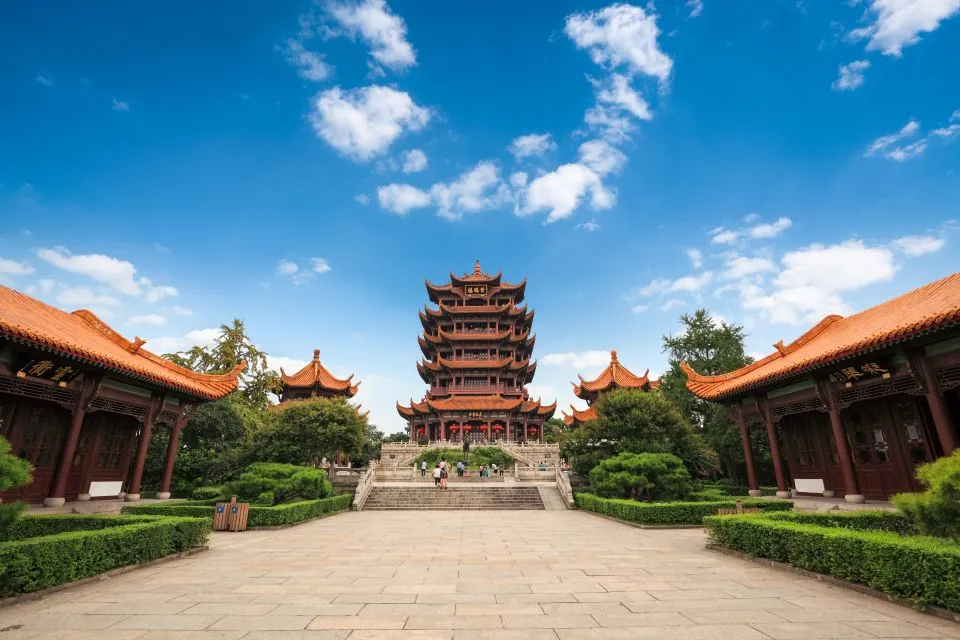
What to see: Begin with Yellow Crane Tower, the city's defining landmark, where the upper levels overlook the Yangtze River and surrounding city. The tower has deep connections with classical Chinese poetry and remains the centrepiece of Wuhan tourism. East Lake deserves several hours if there is enough time, while Jianghan Road is better saved for later in the day when the commercial district becomes livelier.
What to eat: For food, hot dry noodles are the essential starting point, followed by doupi, mianwo and steamed dumplings. Larger meals can include lotus-root and pork-rib soup, Wuchang fish and crayfish.
When to visit: March is especially popular for spring blossom season, while October and November are easier for long days outdoors. Summer can be extremely hot.
Where to stay: Stay in Jianghan District for food, shopping and nightlife, or Wuchang when Yellow Crane Tower and East Lake are the main priorities.
15. Xian (西安)
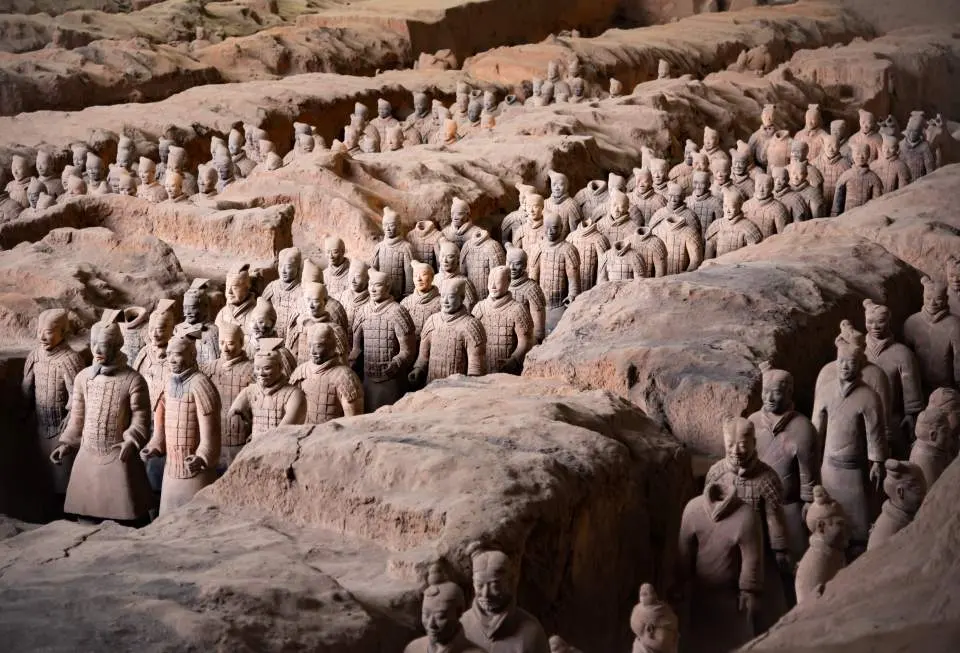
What to see: The Terracotta Army deserves at least half a day rather than being squeezed between central-city attractions. Back within the city, the Ancient City Wall is one of the most enjoyable ways to understand Xian's historic layout, while the Giant Wild Goose Pagoda and Grand Tang Mall provide another strong sightseeing area. Official 2026 attraction listings classify the Terracotta Army, Xian City Wall historical area and Giant Wild Goose Pagoda area among the city's highest-rated tourist attractions.
What to eat: Roujiamo, biangbiang noodles, liangpi and yangrou paomo are the dishes to prioritise.
When to visit: April and May or September and October are comfortable for sightseeing. Major public holidays are best avoided because headline attractions become exceptionally busy.
Where to stay: For accommodation, staying inside the city walls near the Bell Tower is hard to beat on a first visit.
16. Zhengzhou (郑州)

What to see: Within the city, the Zhengzhou Shang City archaeological area gives a sense of how deep the region's history runs. The city's official tourism portal highlights the Shang capital remains, Henan Museum, Yellow River culture and nearby Songshan among its key cultural attractions. One of the main reasons to base a trip here is access to Dengfeng and the Shaolin Temple area.
What to eat: Food is hearty and straightforward. Henan-style huimian, thick noodles served in broth, is the first dish to try, while hulatang makes for a more adventurous local breakfast.
When to visit: April and May work well for combining urban sightseeing with outdoor excursions, as do September and October.
Where to stay: Erqi District is a convenient base for a first stay, although choosing accommodation near a major metro connection can matter more than the exact neighbourhood when several day trips are planned.
How do you get around China?
Is high-speed rail the best way to travel between cities in China?
For many routes, high-speed rail is the most convenient way to travel between Chinese cities because the network is extensive and railway stations are generally connected directly to urban public transport.
What is the easiest way to travel within Chinese cities?
Metros are usually the easiest way to cover longer distances within major cities, while ride-hailing is useful for attractions that sit far from stations
For metro, travellers can purchase individual tickets or use supported mobile transport QR codes, including through Alipay.
Ride-hailing via DiDi or Gaode is another useful option, particularly at night, when travelling with luggage, or when an attraction is difficult to reach by metro.
Singapore (SIN)to
Guangzhou (CAN)Singapore (SIN)to
Hangzhou (HGH)Singapore (SIN)to
Wuhan (WUH)Singapore (SIN)to
Qingdao (TAO)Singapore (SIN)to
Kunming (KMG)Singapore (SIN)to
Shantou (SWA)Singapore (SIN)to
Nanjing (NKG)Singapore (SIN)to
Xian (XIY)