
Beyond the Usual:
Top 10 Dive Destinations Off the Beaten Path
Beneath the surface of Asia’s most stunning coastal destinations lies a hidden world of vibrant coral reefs and unforgettable underwater encounters. While well-known dive hubs like Manado and Labuan Bajo often dominate the conversation, Asia’s underwater appeal extends far beyond these familiar names. From swimming alongside whale sharks in Koh Tao to discovering fascinating macro life in Phu Quoc, this guide brings together exceptional dive sites that deserve just as much attention.
Designed for both new and experienced divers, it highlights what makes each location unique, the marine life you can expect, the best times to visit, and essential safety tips to help you plan your next underwater adventure! 🐟
|
Yes, it’s one of the most popular ways to get certified! Many destinations, such as Manado and Labuan Bajo in Indonesia, Koh Tao in Thailand, and the Perhentians in Malaysia, offer experienced instructors, and well‑established dive schools.
The course typically takes 3–4 days, making it easy to finish during a week‑long trip. Many centres also provide online learning, so you can complete the theory before travelling. It’s a fun, safe, and memorable way to start your diving journey.
|
1. Nha Trang, Vietnam
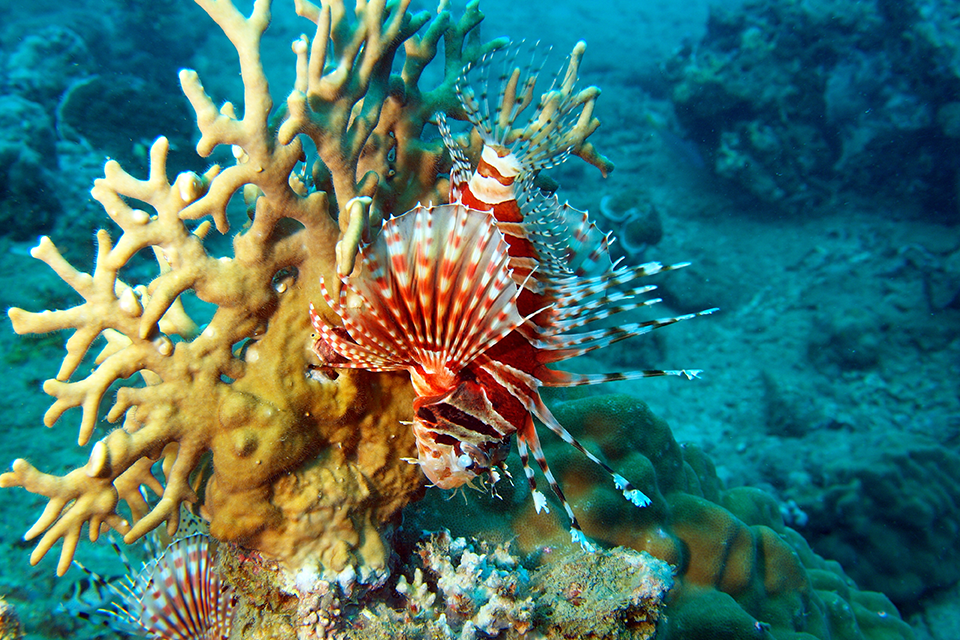
Tam Island offers some of Nha Trang’s most relaxed and colourful diving, with calm conditions, vibrant coral gardens, and easy visibility that suits both beginners and underwater photographers. Divers often encounter nudibranchs, scorpionfish, damselfish, and the occasional cuttlefish gliding through sandy patches. The surrounding sites also feature coral bommies where stingrays sometimes rest.
📅 Best season to dive: During the dry season from April to September, when visibility is highest and conditions are at their calmest.
🤿 Skill level: Easy to Moderate
💧Water temperature: ~26–29°C
2. Phu Quoc, Vietnam
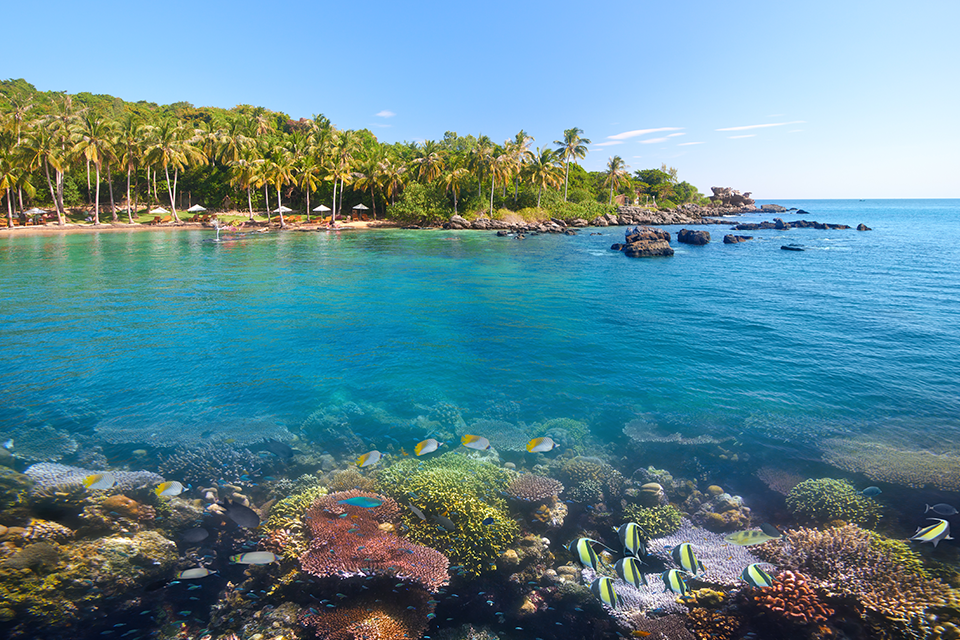
Diving in Phu Quoc is calm and accessible, with sites around the An Thoi Archipelago known for its shallow coral gardens and easy conditions. Popular dive spots, like Thom Island, Gam Ghi Island, Turtle Island, and Fingernail Island, offer sloping reefs rather than deep walls. Divers can spot hard and soft corals, clownfish, parrotfish, nudibranchs, moray eels, and occasional rays, with macro life being a highlight.
What makes Phu Quoc unique is its uncrowded sites, warm water year‑round, and relaxed diving, ideal for beginners and underwater photographers.
📅 Best season to dive: November to May, during the dry season when seas are calmer and visibility is at its best.
🤿 Skill level: Easy to Moderate
💧Water temperature: ~27–30°C
3. Koh Samui, Thailand
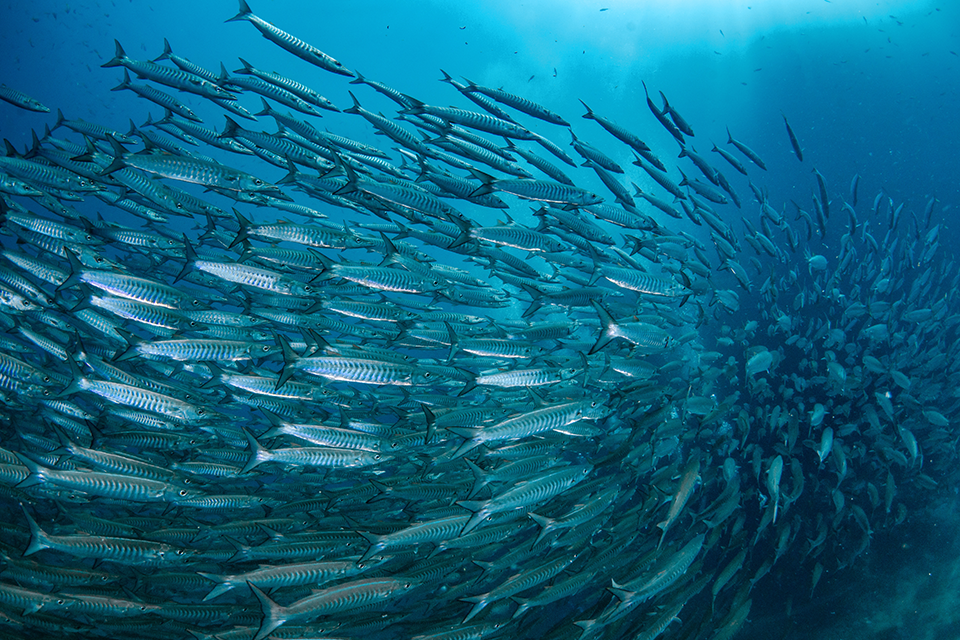
Renowned for its vibrant coral reefs and rich marine life, Koh Samui offers some of Southeast Asia’s best diving experiences. Highlights include Sail Rock with schooling barracuda, and the nearby Koh Tao with over 20 dive sites from beginner reefs to deep pinnacles and wrecks. Advanced divers can explore Chumphon Pinnacle’s granite formations, while Ang Thong Marine Park offers scenic archipelago dives.
📅 Best season to dive: Diving is possible all year-round, though conditions are at their best from March to September, when calm seas and warm waters provide visibility of up to 35 metres.
🤿 Skill level: Easy to Moderate
💧Water temperature: ~29–30°C
4. Phuket, Thailand
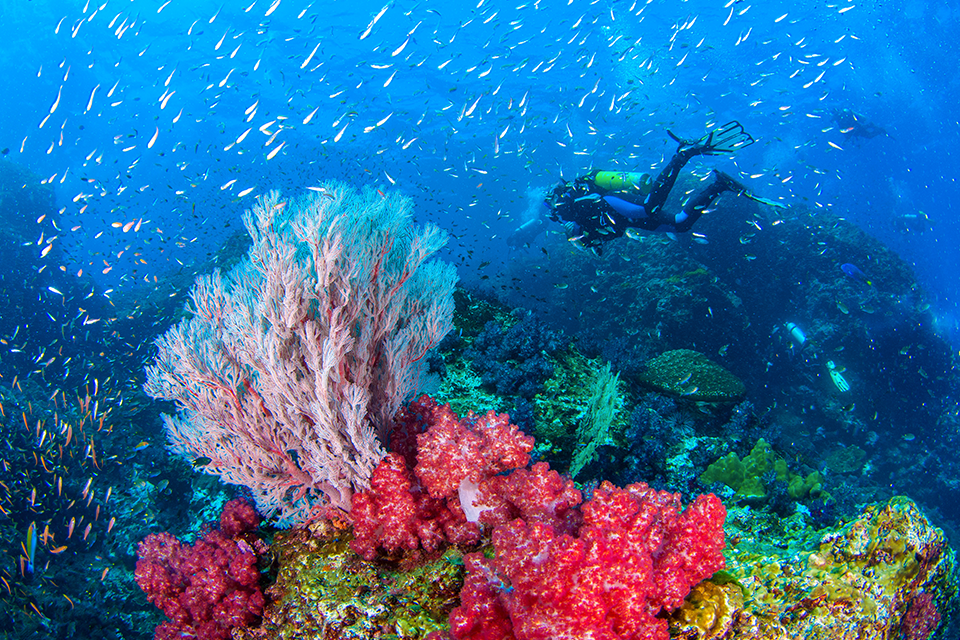
Beneath Phuket’s waters lies a rich world of reefs, wrecks, and marine encounters waiting to be explored. Just to the north, the Similan Islands offer an exhilarating change of pace, famed for their otherworldly granite swim‑throughs, sweeping visibility, and the chance to meet ocean giants like manta rays in peak season.
The Shark Point area is another standout where divers may spot elusive leopard sharks alongside vibrant reef life. Nearby sites like Koh Dok Mai feature dramatic limestone walls covered in corals and small critters, perfect for macro lovers, while the King Cruiser Wreck is a thriving artificial reef full of marine biodiversity.
📅 Best season to dive: Diving in Phuket is available year-round, but the best conditions are from November to April, when marine national parks are open and visibility is at its peak.
🤿 Skill level: Easy to Moderate
💧Water temperature: ~27–30°C
5. Kota Bharu, Malaysia
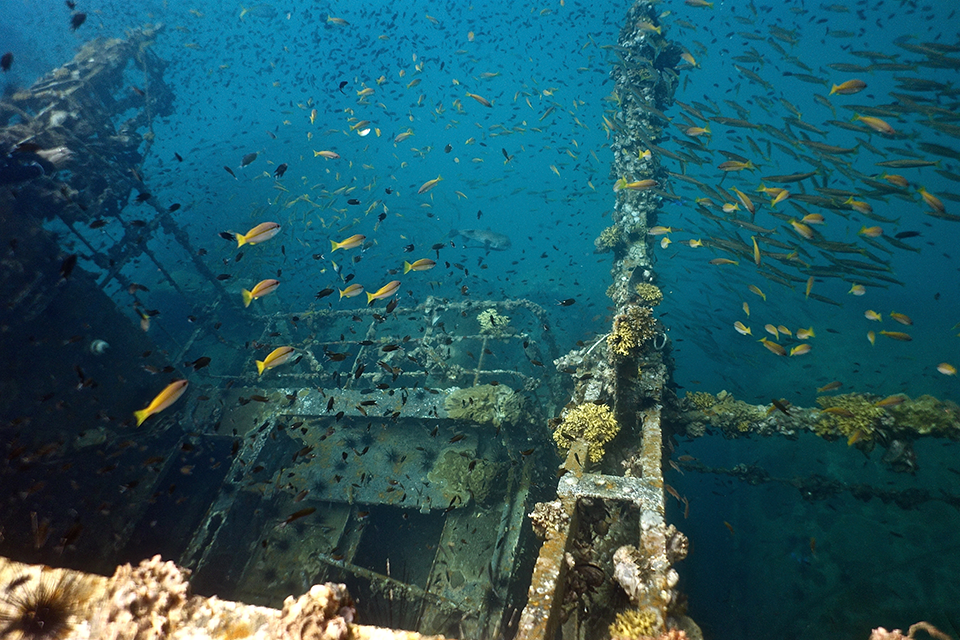
Located off the coast of Kota Bharu, the Perhentian Islands are a tropical diving haven with crystal‑clear waters and vibrant marine ecosystems. Their coral reefs host over 200 fish species, including blacktip and whitetip reef sharks, nurse sharks, clownfish, and frequently seen hawksbill and green turtles. For wreck lovers, the Sugar Wreck, sunk during a monsoon in 2000, is now a thriving artificial reef often home to bamboo sharks and barracudas.
📅 Best season to dive: Diving is best from March to October, when conditions are calm and visibility is high. The islands are largely closed during the monsoon season from November to February.
🤿 Skill level: Generally Easy
💧Water temperature: ~28–30°C
6. Kota Kinabalu, Malaysia
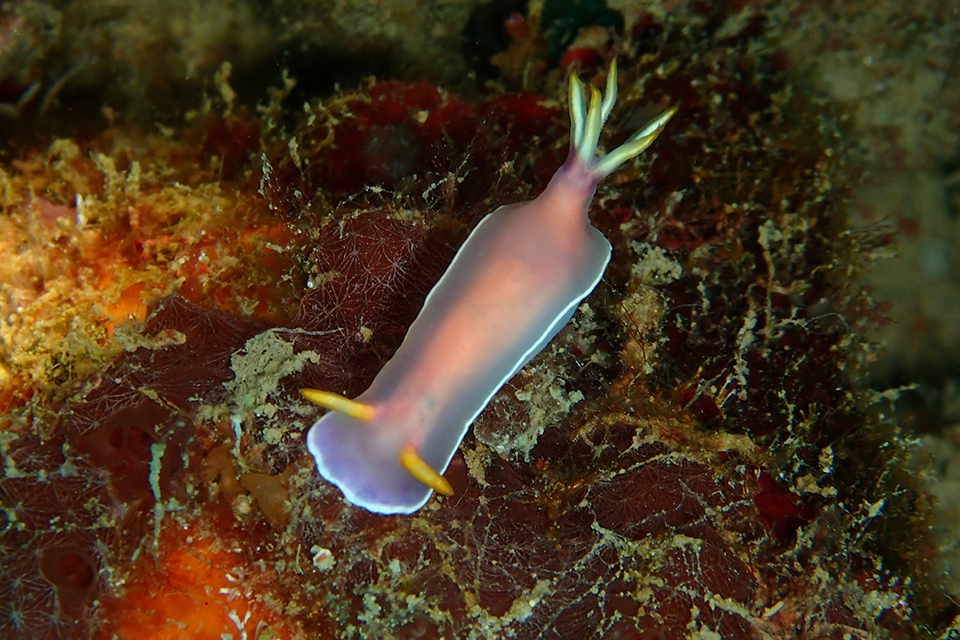
Located just 3 kilometres offshore from Kota Kinabalu, Tunku Abdul Rahman Marine Park comprises five islands—Gaya, Manukan, Mamutik, Sapi, and Sulug—surrounded by vibrant coral reefs. The park hosts almost 400 fish species, including barracudas, turtles, sharks, and rays, along with macro favourites like nudibranchs, frogfishes, ghost pipefishes, seahorses, and ornate shrimps.
📅 Best season to dive: Diving is possible year-round, though the best conditions are typically during the dry season from April to September.
🤿 Skill level: Generally Easy
💧Water temperature: ~27–30°C
7. Bali, Indonesia
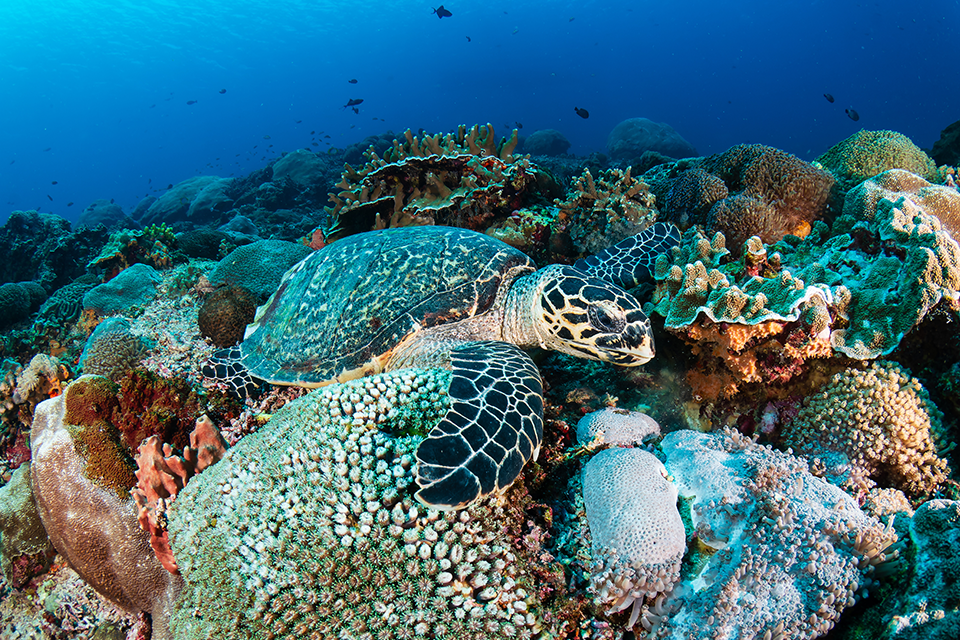
Located just off the coast of Bali, the Nusa Islands, comprising Nusa Penida, Nusa Lembongan, and Nusa Ceningan, form a stunning archipelago with thriving marine life. Their waters host over 500 reef fish species, vibrant corals, whitetip reef sharks, eagle rays, blue‑spotted stingrays, lionfish, octopus, moray eels, turtles, and pufferfish. Nusa Penida is the only place in Bali where manta rays appear year‑round, with mola mola sightings from July to October. Top dive sites include Manta Point, Crystal Bay, Blue Corner, Gamat Bay, PED, Toyapakeh, Mangrove, and SD Point.
📅 Best season to dive: Diving is excellent throughout the year, with peak conditions from June to November, when cooler waters bring exceptional visibility.
🤿 Skill level: Easy to Advanced
💧Water temperature: ~27–30°C
8. Lombok, Indonesia
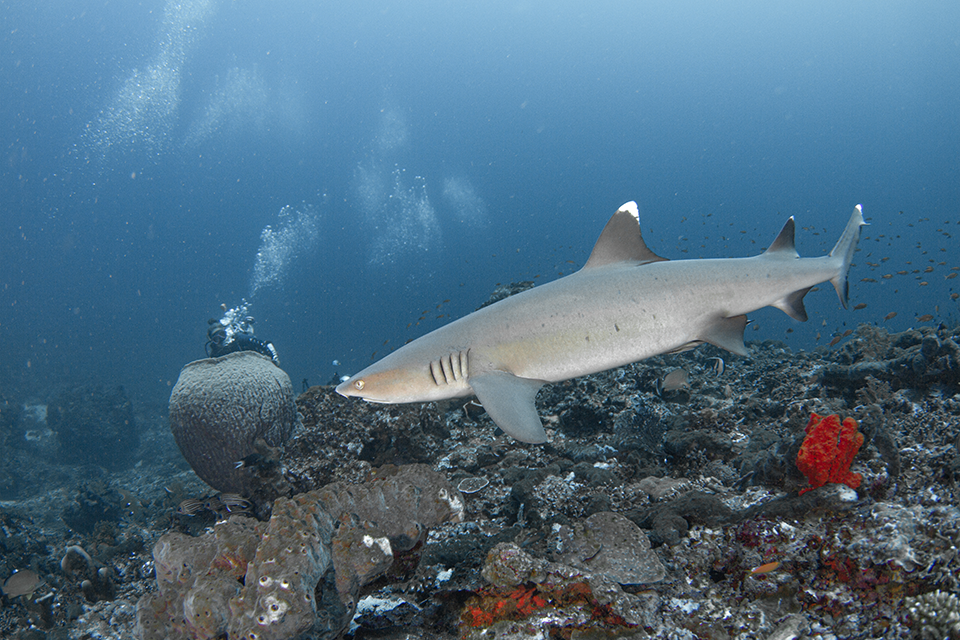
Situated at the northern end of the Lombok Strait within the Coral Triangle, the Gili Islands—Gili Trawangan, Gili Air, and Gili Meno—are a prime diving destination along key pelagic migratory routes. Popular sites include Shark Point, known for near‑guaranteed whitetip and blacktip reef shark sightings, plus frequent turtles, stingrays, and cuttlefish. Halik Reef features dramatic canyons and coral ridges down to 130 feet, while Turtle Heaven is a sanctuary for hawksbill and green turtles. Other notable sites include Sunset Reef, Deep Turbo, and Mentigi, with over 20 dive sites in total.
📅 Best season to dive: Diving is excellent year-round, with the rainy season from December to March bringing occasional showers that rarely disrupt conditions, while peak diving season falls between April and October during the dry season.
🤿 Skill level: Easy to Advanced
💧Water temperature: ~27–30°C
9. Cebu, The Philippines
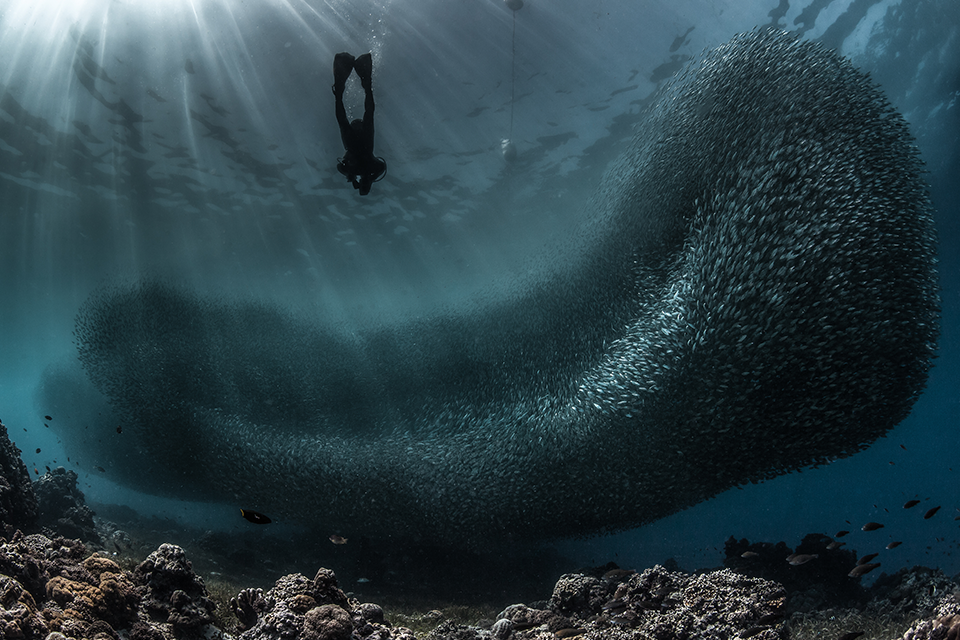
Beneath Cebu’s stunning islands and mountainous landscapes lies a world of underwater treasures offering diverse diving experiences for all levels. In Moalboal, Pescador Island is famed for the spectacular sardine run. Mactan Island offers underwater caves, hard corals, and marine life such as tuna, barracuda, squirrelfish, and surgeonfish. Malapascua is renowned for rare thresher shark encounters at Monad Shoal, adding to Cebu’s exciting and varied underwater adventures.
📅 Best season to dive: Diving is possible all year-round, though the best conditions are typically from January to April in Malapascua and January to May in Moalboal.
🤿 Skill level: Easy to Advanced
💧Water temperature: ~27–30°C
10. Okinawa, Japan
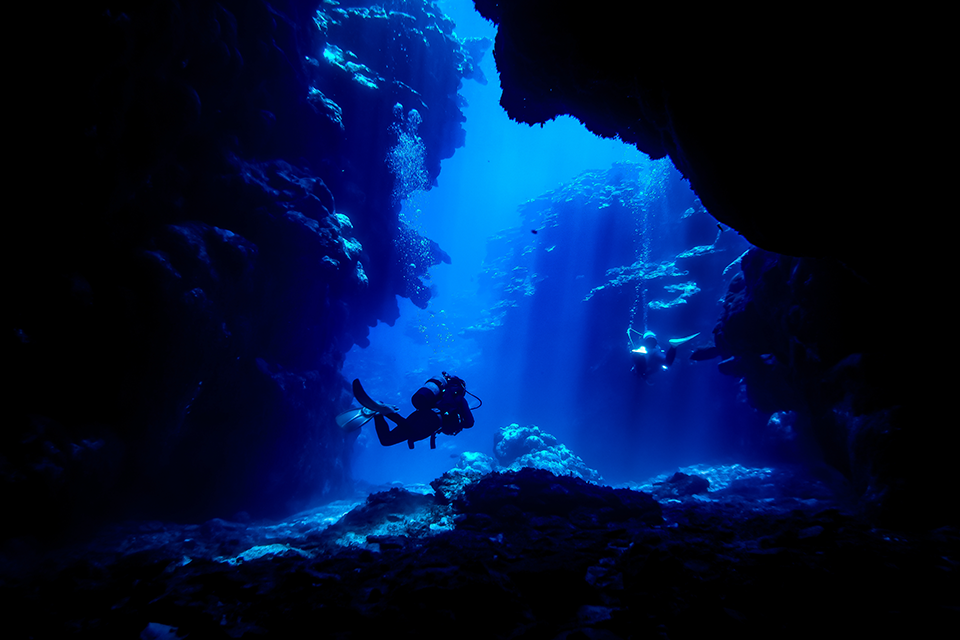
Cape Maeda, home to the famous Blue Cave in Okinawa, is one of the region’s most iconic dive and snorkelling spots. The Blue Cave is a natural sea cave formed over time by ocean wave erosion, where sunlight refracting through the clear waters creates a mesmerising glow. As light conditions shift throughout the day, the cave is illuminated in constantly changing shades of blue.
Surrounding the cave are vibrant coral gardens described as a “natural aquarium”, where divers can encounter tropical species such as clownfish, parrotfish, and butterflyfish amongst many others.
📅 Best season to dive: The best time to dive is generally from May to September when sea conditions are calmer and more stable.
🤿 Skill level: Easy to Advanced
💧Water temperature: ~20–22°C in winter and ~27–29°C in summer
|
A little preparation goes a long way underwater.
Keep these essential safety tips in mind to dive confidently and make the most of every adventure.
• Always dive with a buddy for mutual safety and support 👥
• Do a pre‑dive equipment check to ensure all gear is functioning properly 🤿
• Monitor your air supply frequently and surface with a safe reserve 🔎
• Stay within your training limits and choose dive sites suited to your experience 📈
• Maintain good buoyancy to avoid injuries and protect marine life 🛟
• Follow local dive guides’ instructions and be aware of conditions like currents 🌊
• Give marine life space. Don’t touch, chase, or disturb animals like turtles, sharks, or manta rays 🦈
Whether you’re chasing vibrant coral gardens, drifting alongside gentle giants, or exploring hidden underwater worlds, these top diving destinations offer unforgettable adventures for every kind of diver. So pack your gear, take the plunge, and let your next journey begin beneath the waves. The ocean is waiting ✨
|
Singapore (SIN)to
Bali (Denpasar) (DPS)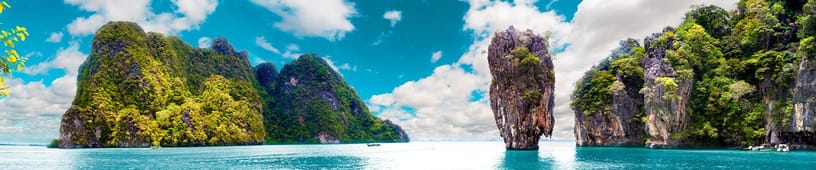
Singapore (SIN)to
Phuket (HKT)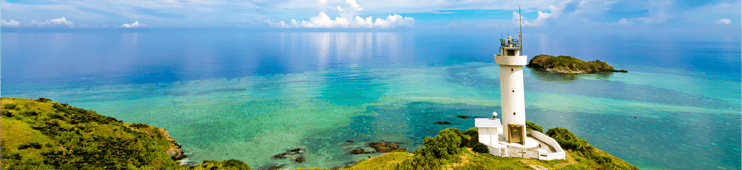
Singapore (SIN)to
Okinawa (OKA)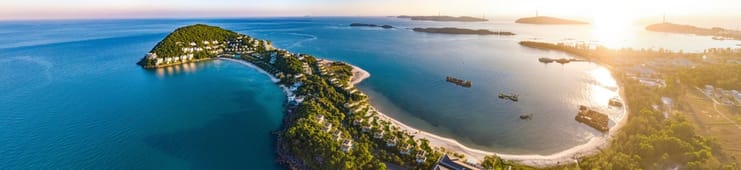
Singapore (SIN)to
Phu Quoc (PQC)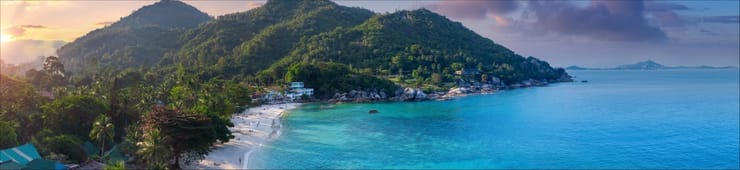
Singapore (SIN)to
Koh Samui (USM)
Singapore (SIN)to
Kota Kinabalu (BKI)
Singapore (SIN)to
Cebu (CEB)
Singapore (SIN)to
Lombok (LOP)