
Skiing in Hokkaido: A Guide to the Best Ski Resorts, Snow and Onsens
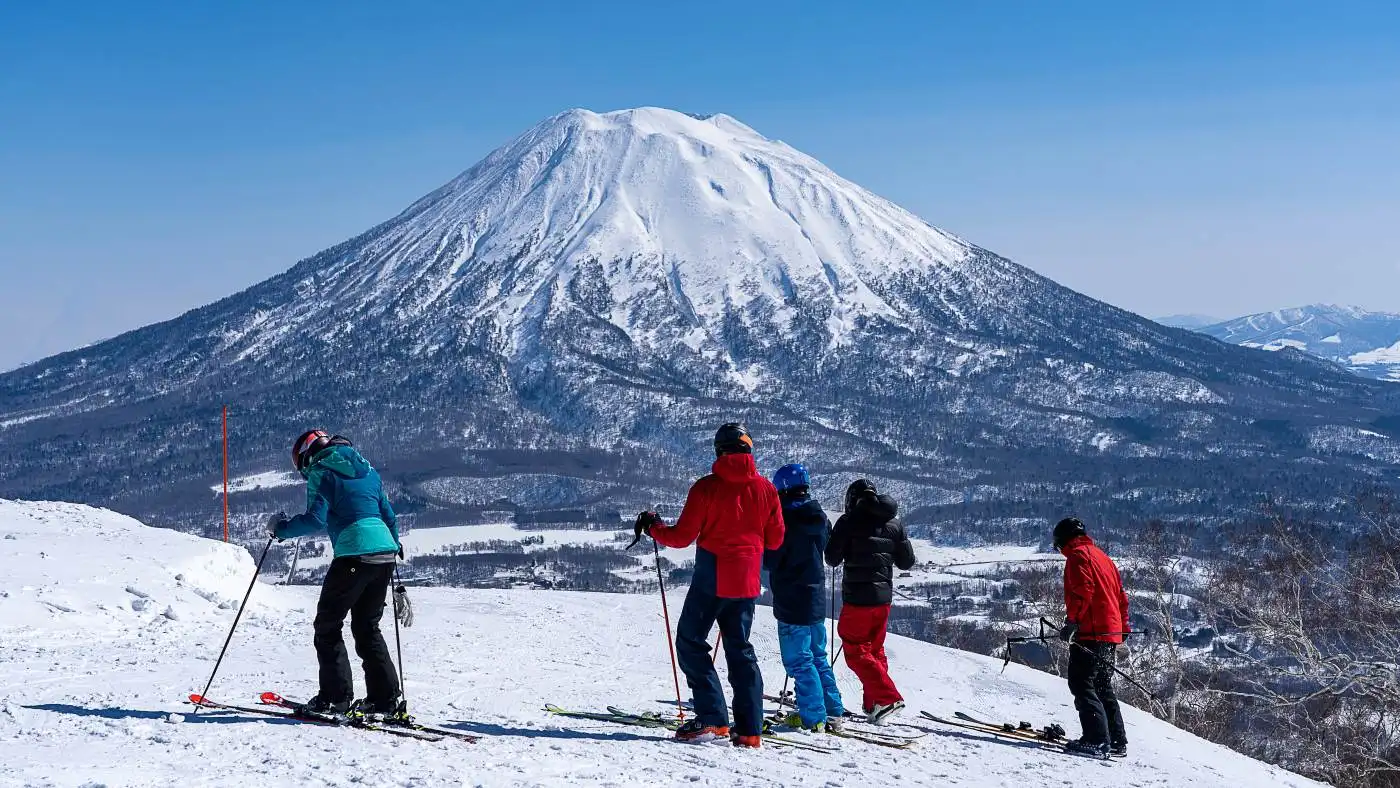
In this travel guide, you'll discover why skiing in Hokkaido is so famous, the best time to go skiing in Hokkaido, more about winter season delicacies, how to get to Hokkaido, the top ski resorts, and more!
Why is skiing in Hokkaido so famous?
Skiing in Hokkaido is famous for its light, dry powder snow. Cold winter air passing over the Sea of Japan brings frequent snowfall to Hokkaido's mountains, creating the deep powder conditions associated with resorts such as Niseko, Rusutsu and Furano.
A Hokkaido ski trip also offers much more than the slopes. Days on the mountain can easily be followed by an outdoor onsen and a comforting meal of fresh seafood, ramen or soup curry, making winter one of the most memorable seasons to visit Hokkaido.
When is the best time to go skiing in Hokkaido?
The main Hokkaido ski season generally runs from December to March, with January and February typically offering the most consistent snowfall and powder conditions. December is good for early-season skiing once enough snow has accumulated, while March usually brings warmer temperatures and longer daylight hours.
For travellers prioritising powder, late January to February is generally a good period to consider. However, snowfall varies each year, so treat these seasonal patterns as a guide rather than a guarantee. Christmas, New Year and parts of February also tend to be busier.
What should you eat during winter in Hokkaido?
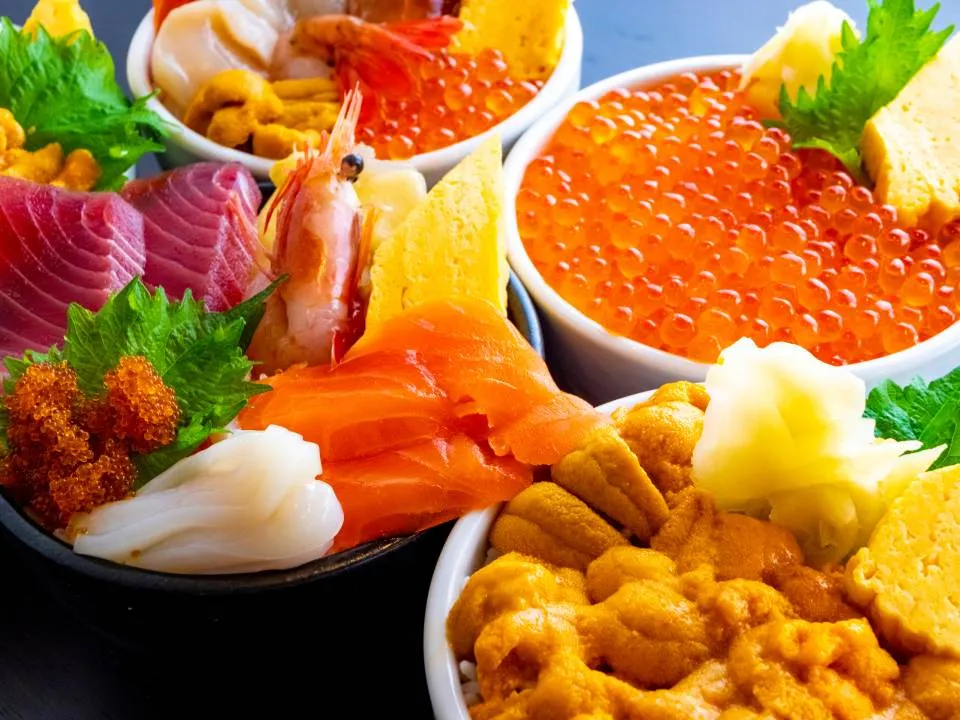
Winter in Hokkaido is an excellent time to enjoy Hokkaido seafood, including crab, scallops, salmon roe (ikura), sushi, sashimi and kaisendon seafood rice bowls. After a cold day on the slopes, Hokkaido miso ramen, soup curry and hotpot (nabe) are equally comforting choices.
Hokkaido is also famous for its dairy products, so look out for local milk, cheese, soft serve ice cream and desserts during the trip.
Getting to Hokkaido
For the ski areas in this guide, international travellers should fly to Sapporo, Hokkaido via New Chitose Airport (CTS). From there, most major Hokkaido ski resorts are reachable by winter resort bus, train, private transfer, or rental car.
Niseko and Rusutsu have convenient seasonal bus services, while Tomamu is easily accessible by train. Renting a car provides more flexibility when visiting multiple ski areas, although travellers should be comfortable driving on snowy and icy winter roads.
What are the best ski resorts in Hokkaido?
1. Niseko
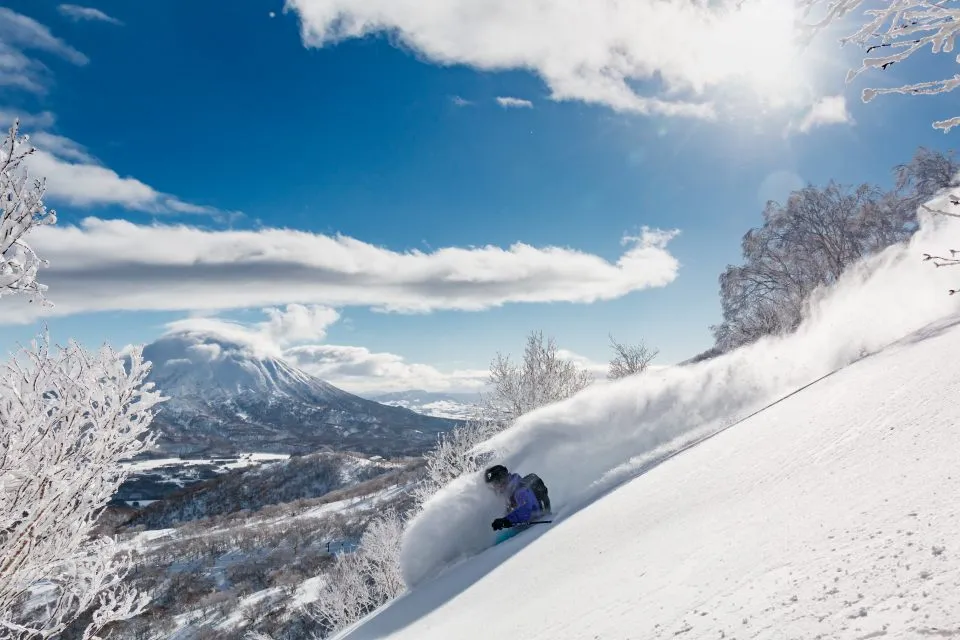
Highlights: Niseko United combines four interconnected resorts: Grand Hirafu, Hanazono, Niseko Village and Annupuri. It is famous for light powder snow, extensive terrain and facilities suitable for beginners, families and advanced riders.
Ski Runs: There are around 60+ marked runs, with approximately 30% beginner, 40% intermediate, and 30% advanced terrain.
Ski/Snowboard Lessons: Lessons are widely available in English and Japanese, with Mandarin and other languages available at selected schools.
Nightlife: Grand Hirafu has the liveliest restaurants, bars and après ski scene, while Annupuri is quieter.
When to visit: January and February typically offer the best powder, although snowfall varies each year. March is usually warmer with longer daylight hours.
Where to stay: Stay in Grand Hirafu for convenience and nightlife, Annupuri for a quieter atmosphere, or Hanazono and Niseko Village for more upscale accommodation.
How to get here: From New Chitose Airport, direct winter buses take around three hours. Driving usually takes around two and a half to three hours, while train travel requires transfers via Otaru and Kutchan.
2. Rusutsu
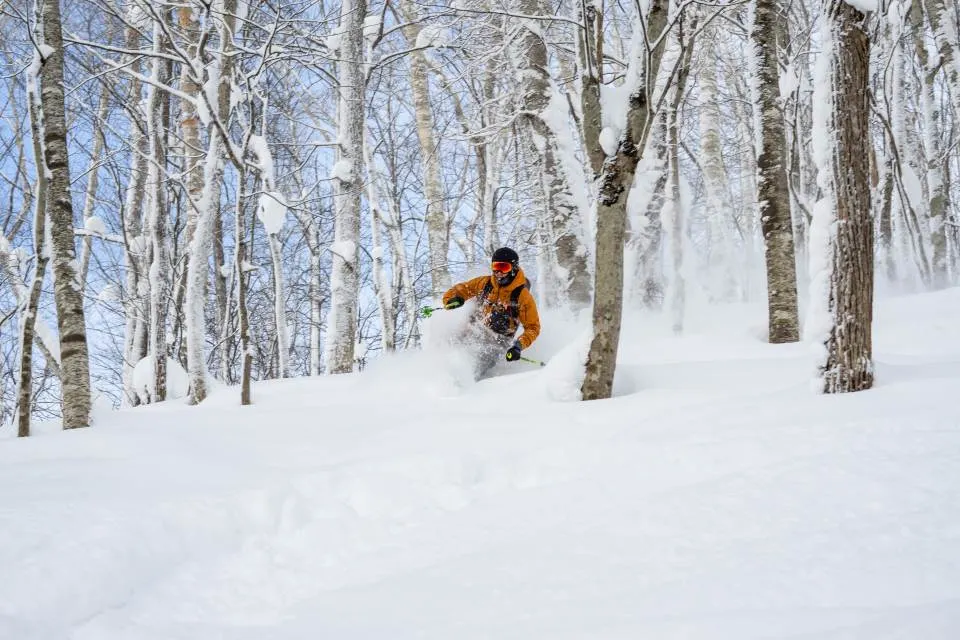
Highlights: Rusutsu is a large single resort covering West Mountain, East Mountain and Mount Isola. It is known for spacious slopes, excellent tree skiing and fewer crowds than Niseko.
Ski Runs: Rusutsu has 37 runs, with around 30% beginner, 40% intermediate and 30% advanced terrain.
Ski/Snowboard Lessons: Ski and snowboard lessons are available in Japanese and English, including private lessons.
Nightlife: Nightlife is quiet and mainly centred around hotel restaurants, bars and resort facilities.
When to visit: January and February usually provide the best powder, while March tends to be milder. Snow conditions still vary from season to season.
Where to stay: Rusutsu Resort Hotel and Convention, The Westin Rusutsu Resort and The Vale Rusutsu are convenient choices near the slopes.
How to get here: Direct winter buses from New Chitose Airport take around two hours. Driving generally takes around one and a half to two hours.
3. Furano
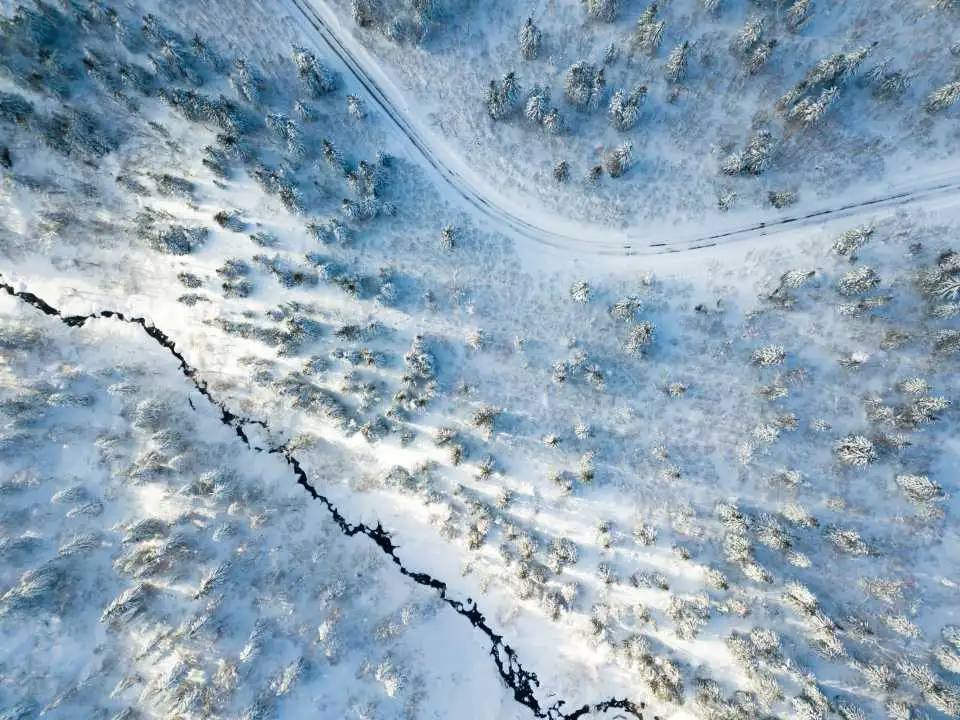
Highlights: Furano is known for dry inland powder, long groomed slopes and views of the Daisetsuzan mountains. The resort is divided into the Furano and Kitanomine zones.
Ski Runs: Furano has 28 runs, with approximately 40% beginner, 40% intermediate and 20% advanced terrain.
Ski/Snowboard Lessons: Lessons are available in Japanese and English, with selected schools offering additional languages.
Nightlife: Furano has a relaxed nightlife scene with izakayas, restaurants and small bars around Kitanomine and Furano town.
When to visit: January and February typically offer the driest powder. March is warmer but can still have good coverage, depending on seasonal conditions.
Where to stay: Shin Furano Prince Hotel offers convenient slope access, while Kitanomine has hotels and apartments close to both the lifts and town.
How to get here: Winter buses from New Chitose Airport usually take around two and a half to three hours. Driving takes roughly two to three hours.
4. Sapporo Kokusai
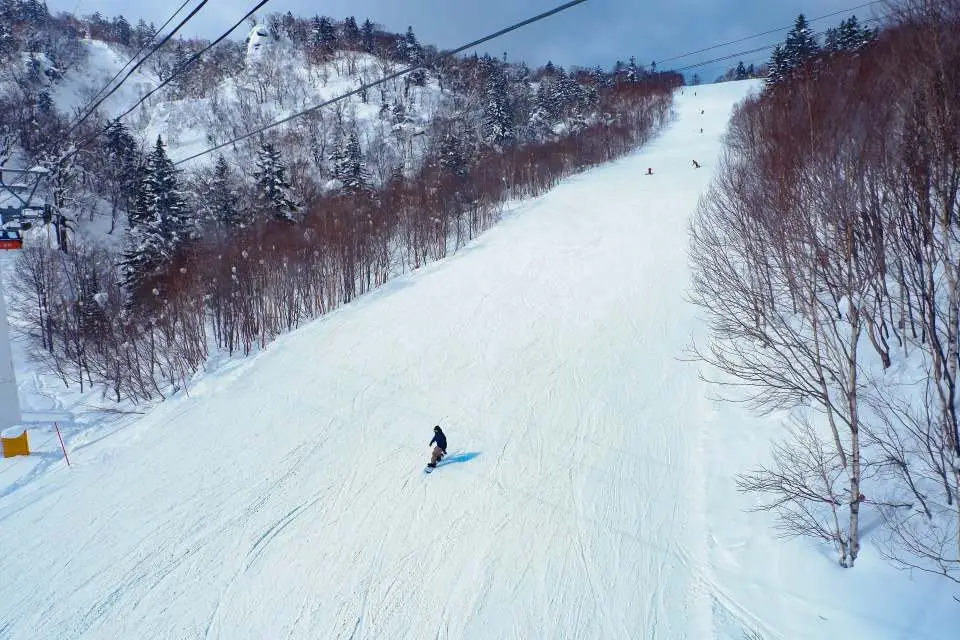
Highlights: Sapporo Kokusai is a compact resort with reliable snow and broad pistes, making it convenient for a ski day while staying around Sapporo.
Ski Runs: There are seven main courses, with approximately 29% beginner, 43% intermediate and 29% advanced runs.
Ski/Snowboard Lessons: Japanese lessons are available, along with English private lessons for international visitors.
Nightlife: There is little nightlife at the resort itself. Most visitors return to Sapporo or stay around Jozankei Onsen.
When to visit: January and February usually provide strong midwinter snow, while March can still offer good coverage.
Where to stay: Central Sapporo is convenient for dining and nightlife, while Jozankei Onsen is better for a quieter hot spring stay.
How to get here: From New Chitose Airport, driving takes around one and a half to two hours. Public transport usually involves travelling through Sapporo before transferring to a seasonal ski bus.
5. Sapporo Teine
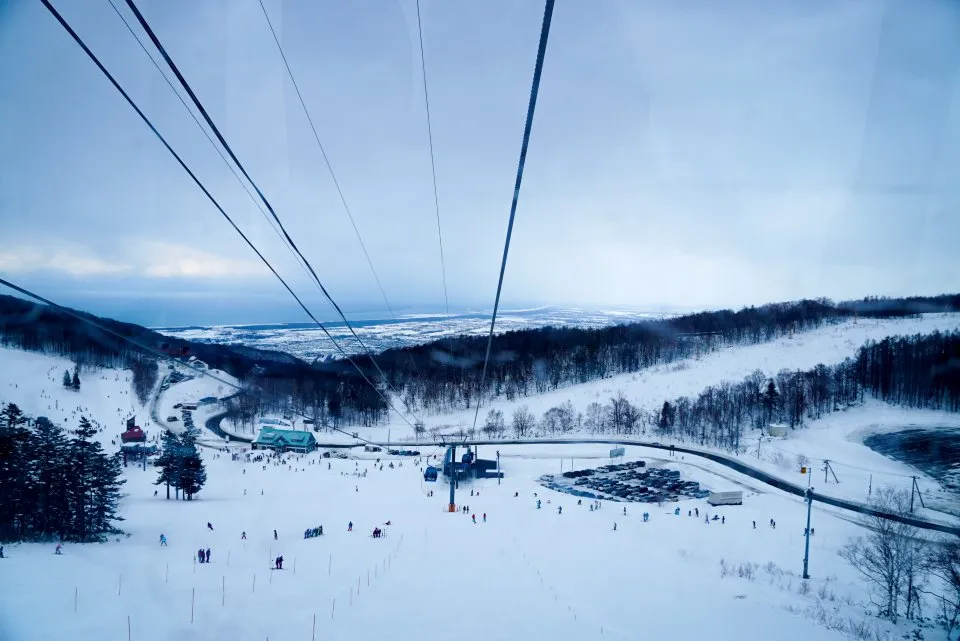
Highlights: Sapporo Teine combines easy access from the city with varied terrain and a history of hosting events during the 1972 Sapporo Winter Olympics.
Ski Runs: It has 15 courses, with around 35% beginner, 40% intermediate and 25% advanced terrain.
Ski/Snowboard Lessons: Ski and snowboard lessons are available in Japanese and English.
Nightlife: There is little nightlife on the mountain, but central Sapporo offers extensive dining, shopping and entertainment.
When to visit: January and February generally provide the most reliable snow. March is milder but conditions can become more variable.
Where to stay: Sapporo Station, Odori and Susukino are practical areas to stay for easy transport and plenty of dining options.
How to get here: Take the train from New Chitose Airport towards Teine Station and transfer to a local bus. Driving directly usually takes around one to one and a half hours.
6) Tomamu
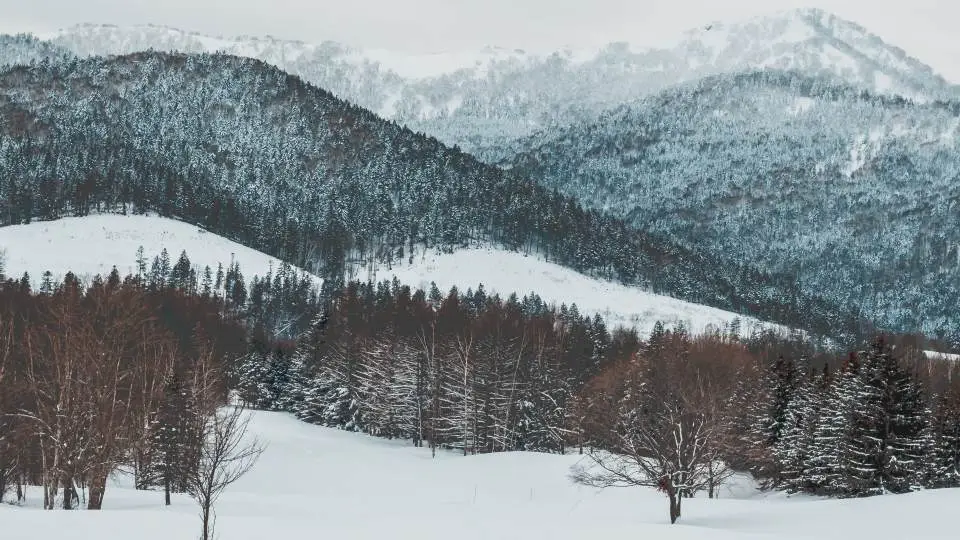
Highlights: Tomamu is a self-contained resort with skiing, accommodation, dining and family-friendly activities all in one place, making it particularly convenient for beginners and families.
Ski Runs: Tomamu has 29 runs, with approximately 38% beginner, 48% intermediate and 14% advanced terrain.
Ski/Snowboard Lessons: Lessons are available in Japanese, English and Chinese, depending on the programme and instructor availability.
Nightlife: Evenings are quiet and mostly centred around resort restaurants, bars and indoor activities.
When to visit: January and February typically have the best powder, while March offers milder temperatures.
Where to stay: Tomamu The Tower is convenient for the main resort facilities, while RISONARE Tomamu offers larger and more premium rooms.
How to get here: Take the train from New Chitose Airport via Minami Chitose to Tomamu Station, followed by the resort shuttle. The journey takes around 90 minutes. Driving takes about 1.5 to 2 hours.
7. Kiroro
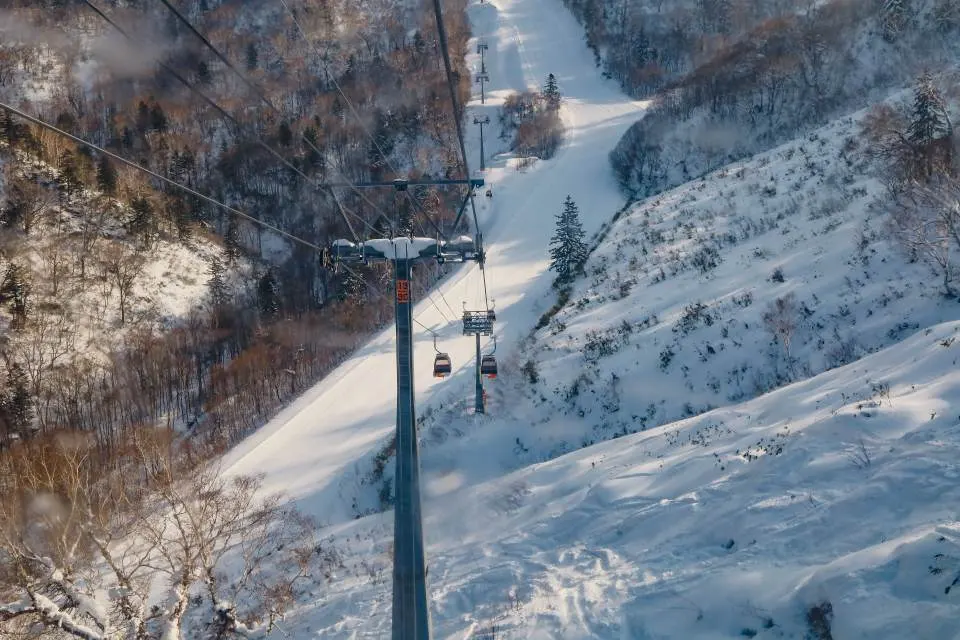
Highlights: Kiroro is known for heavy snowfall, deep powder and a quieter atmosphere. It is especially appealing to intermediate and advanced riders.
Ski Runs: Kiroro has 23 courses, with approximately 26% beginner, 35% intermediate and 39% advanced runs.
Ski/Snowboard Lessons: Lessons are available in Japanese and English, with private instruction offered for adults and children.
Nightlife: Kiroro is very quiet at night, with evenings mostly spent at the resort's restaurants and accommodation.
When to visit: January and February usually provide the deepest powder, although December and March can also have good snow.
Where to stay: Yu Kiroro, Club Med Kiroro Grand and Club Med Kiroro Peak are among the main accommodation options near the slopes.
How to get here: From New Chitose Airport, take the train to Otaru or Otaru Chikko, then transfer or take a taxi. Driving usually takes around two hours.
8. Moiwa
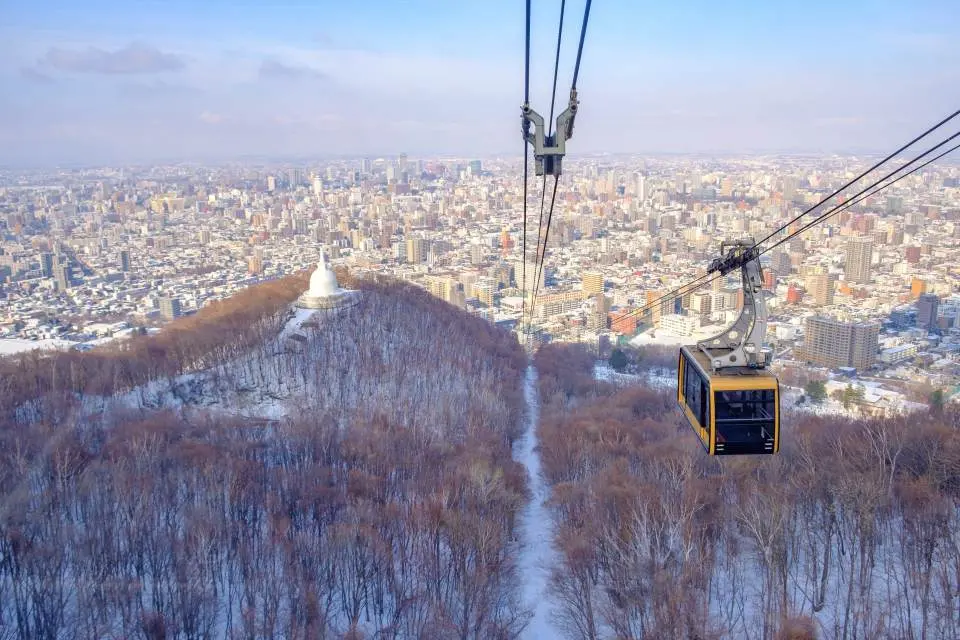
Highlights: Niseko Moiwa is a smaller independent resort known for quiet slopes, deep powder and tree skiing. It suits experienced riders particularly well.
Ski Runs: There are around nine to ten main courses, with roughly 22% beginner, 33% intermediate and 44% advanced terrain.
Ski/Snowboard Lessons: Lessons are available in Japanese and English through the resort and authorised ski schools.
Nightlife: Moiwa is very quiet, with only a small number of nearby restaurants and accommodation options.
When to visit: January and February typically provide the best powder. March is warmer, and snow conditions become more variable.
Where to stay: Lodge Moiwa 834 is beside the resort, while Annupuri offers more nearby accommodation and dining options.
How to get here: Take a Niseko-bound winter bus from New Chitose Airport and continue to Moiwa by local transfer or taxi. Driving generally takes around two and a half to three hours.
9. Otaru
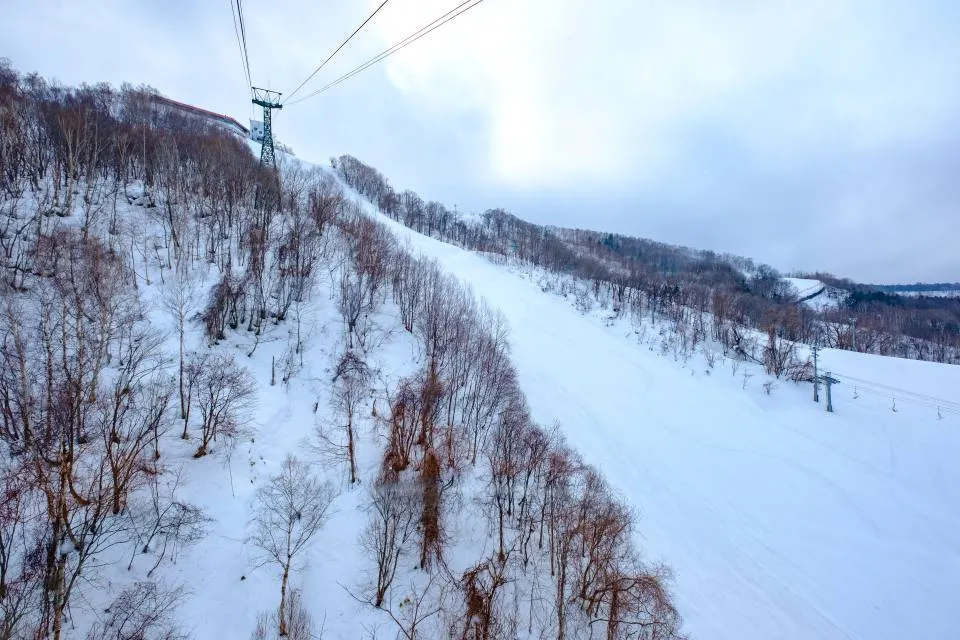
Highlights: Otaru works well as a ski base, with Otaru Tenguyama and Asarigawa Onsen Ski Resort nearby. It also lets visitors combine skiing with Otaru's canal, seafood, and historic streets.
Ski Runs: Otaru Tenguyama has five runs, with around 20% beginner, 40% intermediate and 40% advanced terrain. Asarigawa Onsen has around nine runs with a broader mix of difficulty levels.
Ski/Snowboard Lessons: Japanese lessons are widely available, while English private lessons are available at selected resorts and schools.
Nightlife: Central Otaru has restaurants, izakayas and bars, while Asarigawa Onsen is much quieter.
When to visit: January and February usually provide the most reliable snow, while March tends to be warmer.
Where to stay: Stay in central Otaru for restaurants and sightseeing, or around Asarigawa Onsen for a quieter ski and hot spring stay.
How to get here: Trains from New Chitose Airport to Otaru take around one to one and a half hours, followed by a local bus or taxi. Driving takes about 1.5 to 2 hours.
10. Asahidake
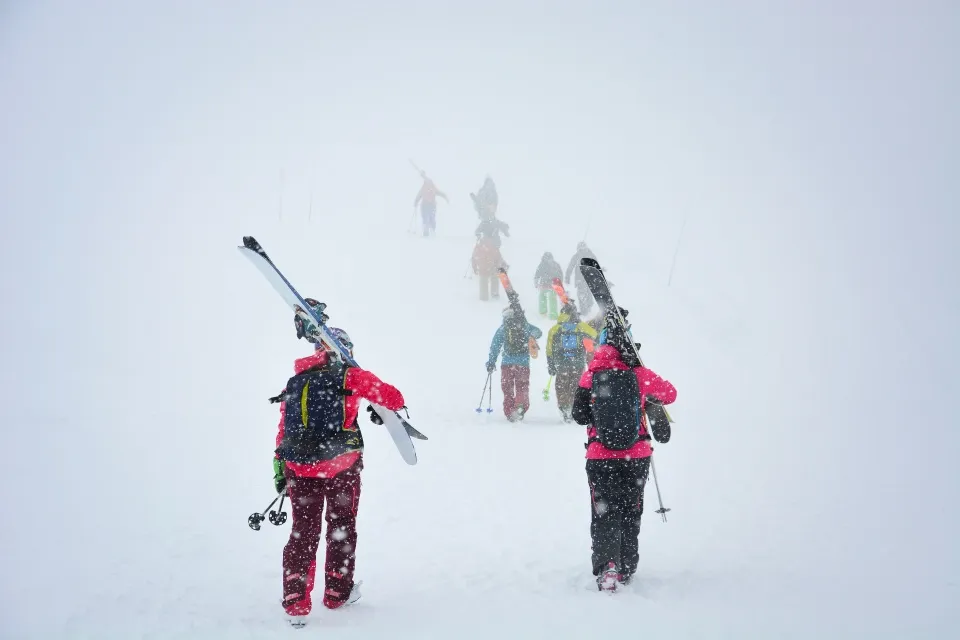
Highlights: Asahidake is not a conventional ski resort. Located on Hokkaido's highest mountain, it is known for deep powder, natural terrain and backcountry skiing, making it better suited to experienced riders.
Ski Runs: Asahidake has only a limited number of designated winter routes rather than a conventional network of graded pistes. Most terrain should be considered advanced.
Ski/Snowboard Lessons: There is no large ski school system. Travellers planning to explore beyond the designated routes should consider booking an experienced guide, with English-speaking guides available through selected operators.
Nightlife: There is virtually no nightlife, with evenings focused on hotel dining and onsens.
When to visit: January and February generally offer deep powder but also very cold, changeable conditions. Its elevation can allow skiing later into spring, although weather can vary significantly.
Where to stay: Asahidake Onsen is the most convenient area, with hotels and ryokans close to the ropeway.
How to get here: From New Chitose Airport, take the train to Asahikawa, then transfer to a bus. Driving generally takes around three to four hours depending on winter conditions.
What are some famous onsens near Hokkaido ski resorts?
Visiting an onsen after skiing is one of the best ways to end a winter day in Hokkaido. Around Niseko, Niseko Goshiki Onsen is known for its mountain setting and outdoor baths surrounded by snow.
Near Sapporo Kokusai, Jozankei Onsen offers numerous ryokans and hot spring baths along the Toyohira River. Asarigawa Onsen is another convenient choice for travellers skiing around Otaru, while Asahidake Onsen provides a peaceful hot spring stay beneath Hokkaido's highest mountain.
Around Furano, Fukiage Onsen and nearby Hakuginso are also popular options for combining a day in the mountains with an outdoor hot spring experience.
What should you pack for a ski trip to Hokkaido?
You can rent skis, snowboards, boots, poles, and helmets at most major Hokkaido ski resorts, so beginners don't need to buy a full set of equipment. Some resorts also rent ski jackets and trousers, but check availability in advance.
Bring thermal base layers, warm mid layers, ski socks, waterproof gloves, goggles and a neck warmer. Waterproof winter boots with good grip are also useful away from the slopes, especially when walking through snowy resort villages.
Sunscreen, lip balm and moisturiser are useful even during winter because of reflected ultraviolet light and Hokkaido's cold, dry air. Travellers should also check that their travel insurance covers skiing or snowboarding and any activities planned outside regular marked pistes.
What are other places you can ski and snowboard besides Hokkaido?
Beyond Sapporo, Scoot currently flies to several destinations that can be used as gateways for skiing and snowboarding holidays, including Tokyo, Osaka, Seoul, Vienna and Sydney.
Tokyo provides convenient access to some of Japan's best known ski regions. Echigo Yuzawa is around 80 minutes from Tokyo by Shinkansen and has numerous ski resorts, while Hakuba in Nagano offers a much larger mountain experience with several interconnected ski areas.
Osaka can be paired with skiing around the Kansai region. Biwako Valley in Shiga Prefecture is a popular option near Kyoto, offering ski runs overlooking Lake Biwa and making it possible to combine skiing with an Osaka and Kyoto holiday.
Seoul is a gateway to South Korea's ski resorts, particularly those in Gangwon Province. Yongpyong Resort in Pyeongchang is one of the country's most established ski destinations and has previously hosted major international winter sporting events.
Vienna provides access to Austria's Alpine ski areas. Resorts around Semmering, including Stuhleck and Hirschenkogel, are among the more accessible options from the Austrian capital, while a longer trip can take you deeper into the Austrian Alps.
Sydney can also be used as a gateway to Australia's Snowy Mountains, including Perisher and Thredbo. The Australian ski season typically runs from June to September, making it an alternative for travellers looking to ski during the Northern Hemisphere summer.
Singapore (SIN)to
Osaka (KIX)
Singapore (SIN)to
Seoul (ICN)
Singapore (SIN)to
Sydney (SYD)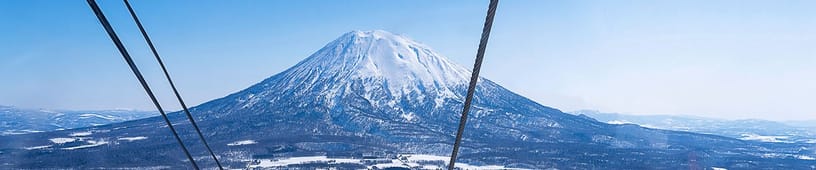
Singapore (SIN)to
Sapporo (Hokkaido) (CTS)
Singapore (SIN)to
Tokyo (HND)Singapore (SIN)to
Tokyo (NRT)
Singapore (SIN)to
Vienna (VIE)